
The Office of the Provost advances Carnegie Mellon University's mission for teaching, research and scholarly excellence. The resources we provide nurture the personal, professional and intellectual growth of our community of students, faculty and staff in diverse academic contexts.
Members of the Office of the Provost serve as points of contact on behalf of this division, which plans and guides the policies and practices that shape the academic vision of the university.
CMU community members are encouraged to reach out early in the event planning process if they wish to invite the provost or other senior staff in this office to attend an event.
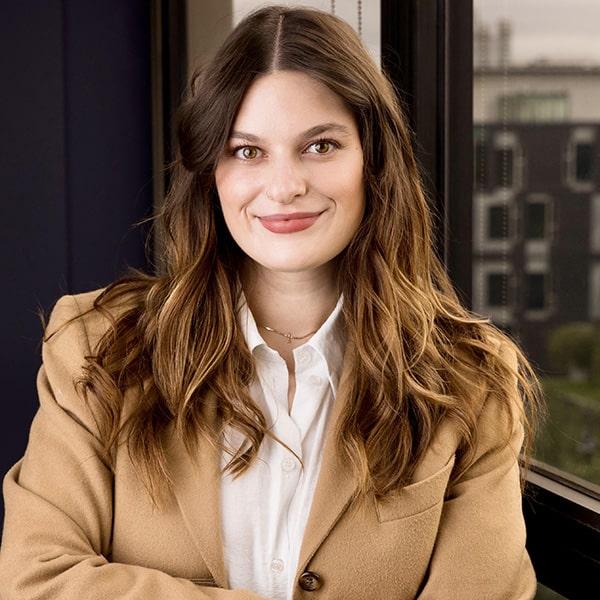
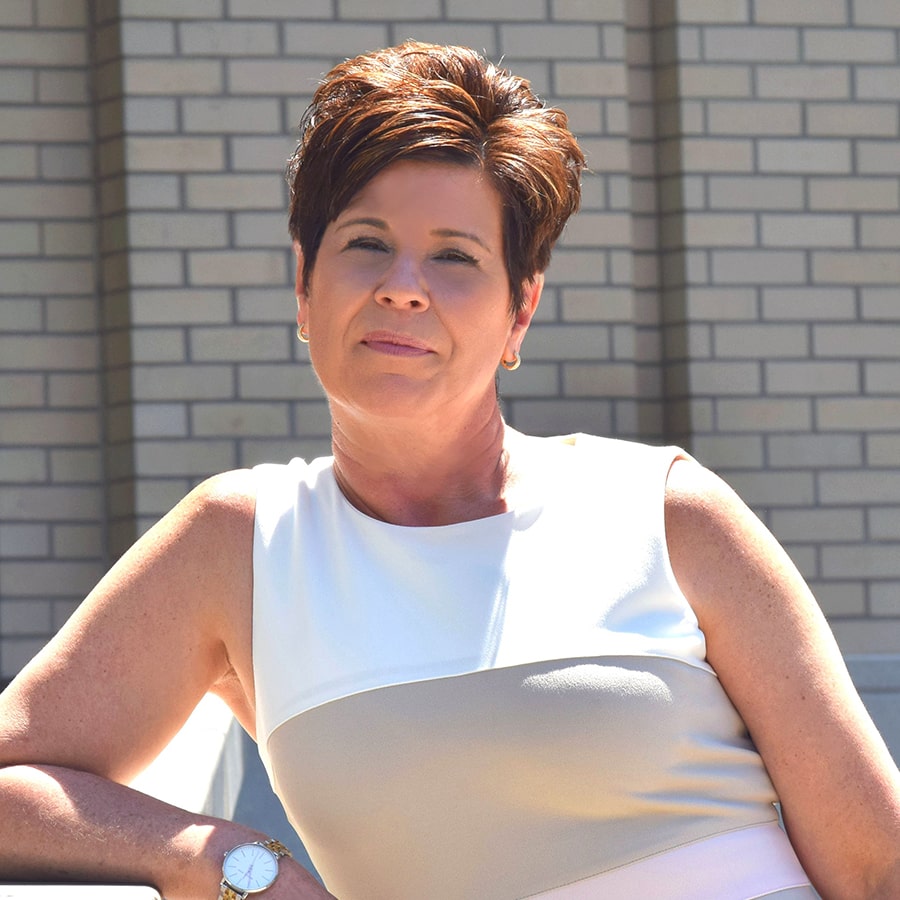
Kristen Bayley
Senior Director of Executive Communications
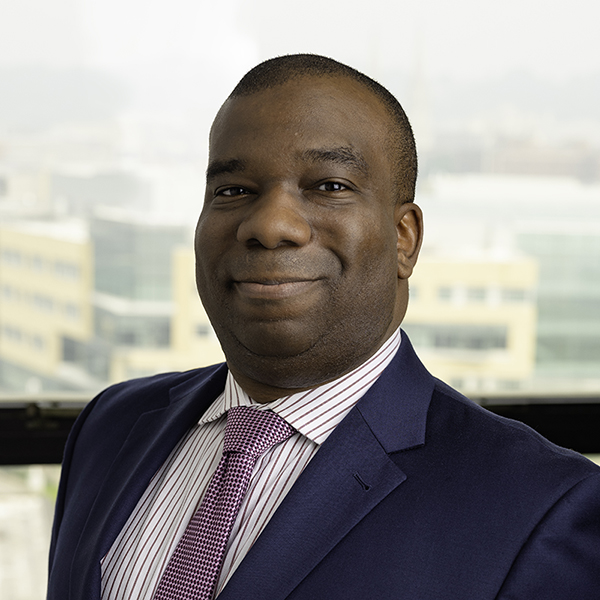
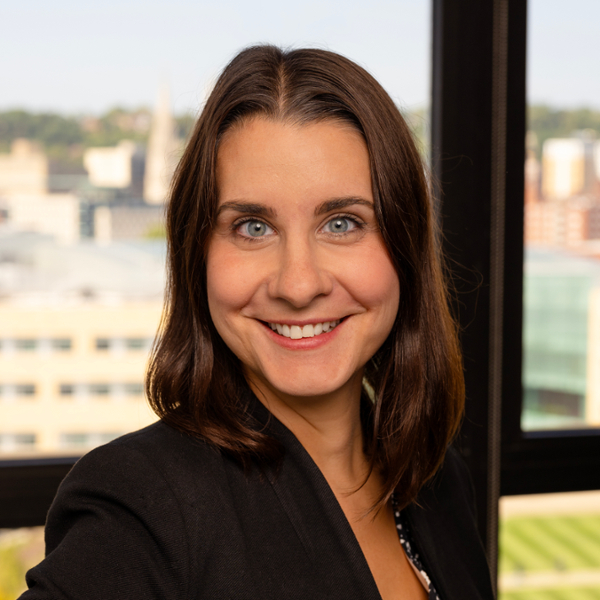
Quinten Brown
Executive Administrator and Manager of Administrative Operations
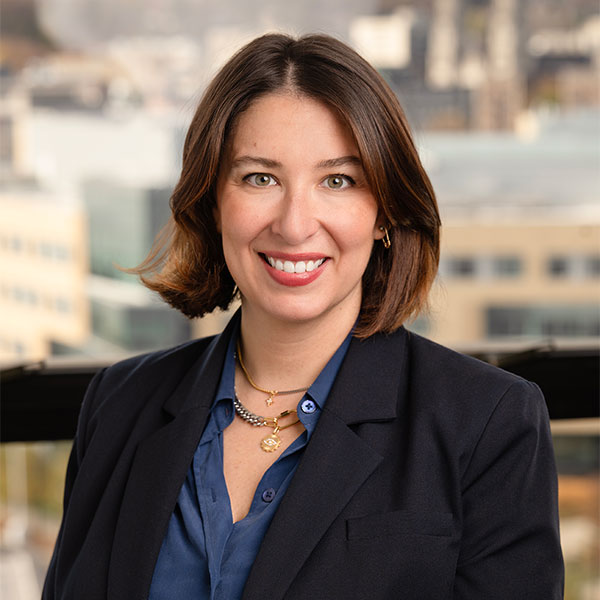
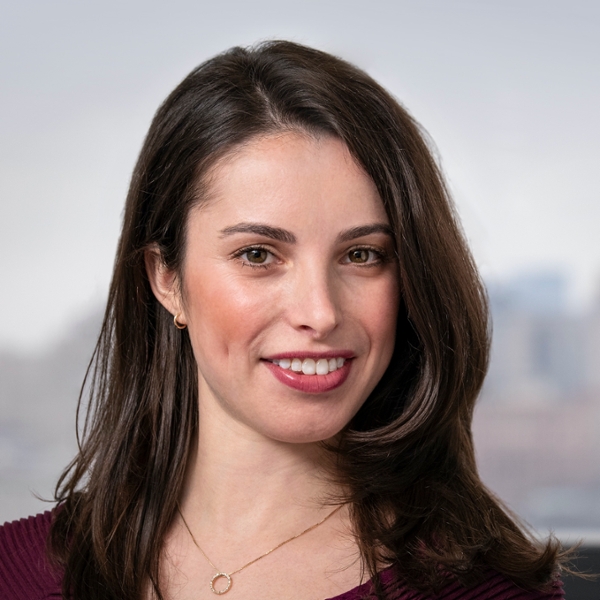
Christa Cardone
Senior Manager of Executive Communications
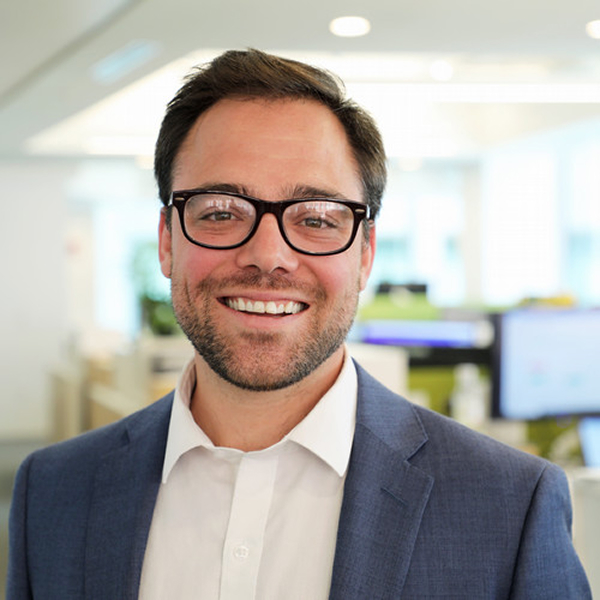
Sarah College
Senior Project Manager
Amy Sippos
Senior Administrative Coordinator
Kylie Walker
Senior Digital Content Manager

Prior Deeper Conversations Programming
Academic Year 2025-2026 Focus: Building Bridges of Understanding
Alumni and Student Reflections on Listening, Learning and Leading Across Difference
On March 30, Carnegie Mellon alumni Tria Chang (CMU 2007) and Justine Lee (DC 2008) returned to campus to share their learnings in this Deeper Conversations fireside chat, and discussed how we can all create opportunities for healthier conversations on campus and beyond.
Universities in the Balance: Federal Law, Policy and Pressures in Divisive Times
On November 20, this event examined how law and policy influence the evolving role of universities in American society, featuring Dr. Neal Hutchens, professor of Educational Policy Studies and Evaluation at the University of Kentucky and Carnegie Mellon University’s Vice President and General Counsel Mary Jo Dively.
From Upheaval To Action: What Works In Changing Higher Education
On January 29, this event examined how demographic shifts, technological change, affordability pressures and declining public trust are reshaping higher education, featuring Dr. Arthur Levine, President at Brandeis University.
Academic Year 2024-2025 Focus: Democracy and The Election and The Role of Government in Society
America and the World: What's Ahead After the 2024 Election?
President Farnam Jahanian was joined by David Ignatius, Washington Post Foreign Affairs Columnist, to discuss the state of U.S. democracy following the November election.
Bridging the Divide: Understanding and Addressing Political Polarization in America
On September 11, this panel, featuring professors Kevin Zollman, Jonathan Cervas, and Karina Schumann and moderated by Dean Richard Scheines, delved into the structural forces driving this polarization and explore potential solutions.
Immigration at the Ballot Box: Key Issue for 2024
As part of Heinz's Trillion Dollar Question series, this virtual panel explores the complexities of immigration, including its impact on the economy and communities, and its significance in the upcoming election. The panel features professors Brian Kovak, Filiz Garip, and Sabi Ardalan and is moderated by journalist Hamed Aleaziz from The New York Times.
Cyber-Enabled Nation-State Influence Operations: Are Russia, China and Iran Interfering in the U.S. Election?
This session examines recent evidence of nation-state interference in U.S. elections and discusses strategies to protect our democratic process from these threats. Panelists include Bret Schafer, Bryan Prior, and Darren Linvill and is moderated by CMIST Director Audrey Kurth Cronin.
America and the World: What's Ahead After the 2024 Election?
President Farnam Jahanian was joined by David Ignatius, Washington Post Foreign Affairs Columnist, to discuss the state of U.S. democracy following the November election.
History of the Role of Government: Expansions, Reductions and Shaping the Nation
This panel explored the historical evolution of government's role in American life, tracing its origins in the founding principle of limited government to the New Deal's expansion of federal authority and the Great Society programs to the current calls for government reduction. The discussion provided historical context to help attendees better understand contemporary debates about the role of government in society.
America's Role in the World
Panelists explored the United States' historical and contemporary role in international affairs by examining past successes and missteps, the value of U.S. diplomacy in a rapidly changing world, and hte future of U.S. leadership in global affairs.
The Federal Government and Knowledge Production: Balancing Innovation, Policy and Public Good
This panel will explore the federal government's role in funding, shaping and disseminating knowledge across various sectors. It will highlight how federally sponsored research, health and medical centers and regulatory frameworks contribute to scientific advancements and public well-being. Panelists will focus on the mechanisms, benefits and challenges of federal involvement in knowledge production, translation and dissemination.
Academic Year 2023-2024 Focus: The Israeli-Palestinian Conflict and Combating Hate in Society
Misinformation in Times of Conflict
On April 1, Zeve Sanderson, executive director of New York University's Center for Social Media and Politics, led a discussion and Q&A session on the role of social media in the Israel-Hamas war. Participants explored which sources of information have been reliable and how misinformation has impacted the conflict.
Organized by the Dietrich College of Humanities and Social Sciences and Heinz College of Information Systems and Public Policy.
Competing Narratives: Small Group Book Discussions
In March, several groups of students, faculty and staff met to discuss Neil Caplan’s book “The Israel-Palestine Conflict: Contested Histories” (Second Edition).
Addressing Campus Islamophobia: Proactive Efforts to Address Hate and Bias, a Workshop with Amer F. Ahmed
On February 19, 2023, Amer F. Ahmed, vice provost for diversity, equity and inclusion and senior diversity officer at the University of Vermont, delivered a keynote benefiting participants interested in learning more about Islam, Islamophobia and anti-Arab notions, providing needed context to bridge divides.
Organized by the Office of the Vice Provost for Community, Culture and Engagement.
Islamophobia: Dispelling Myths to Break Down Barriers with Keynote Speaker Amer F. Ahmed
This program held on February 19, 2023, benefited participants interested in learning more about Islam and Islamophobia, providing needed context to bridge divide.
Organized by the Office of the Vice Provost for Community, Culture and Engagement.
Mapping the History of the Israeli-Palestinian Conflict
On February 15, 2024, Laurie Z. Eisenberg, teaching professor emerita in CMU's Department of History, provided an overview of the history of the movement of borders and populations in the region that is now Israel and Palestine from the 1880s until the present day. Using maps, she addressed issues leading up to the current Israel-Hamas war.
Organized by the Dietrich College of Humanities and Social Sciences and Heinz College of Information Systems and Public Policy.
Antiracism in Action Workshop
On February 13, 2024, Dr. Wanda Heading-Grant and Mark D'Angelo held an interactive workshop exploring what it means to be antiracist. They focused on concepts, skills and strategies to help translate antiracist beliefs and sentiments into action-oriented antiracist allyship within spheres of influence.
Organized by the Office of the Vice Provost for Community, Culture and Engagement.
The Possibility of Peace
On January 31, 2024 — moderated by Nevine Abraham, assistant teaching professor of Arabic Studies in the Department of Modern Languages, and Michal Friedman, Jack Buncher Professor of Jewish Studies in the Department of History — Rula Hardal and May Pundak shared their experiences as Palestinian and Jewish members of A Land for All, an organization advocating for peaceful resolution in the region.
Organized by the Dietrich College of Humanities and Social Sciences and Heinz College of Information Systems and Public Policy.
Understanding Antisemitism and its Impact on Jews
On January 30 and 31, 2024, Noah Schoen, Community Outreach Associate, Holocaust Center of Pittsburgh, discussed the historical roots of antisemitism, the connection those roots have to its modern day manifestations, and the collective impact that generations of antisemitism has had on the Jewish community.
Organized by the Office of the Vice Provost for Community, Culture and Engagement.
Educating & Empowering Communities Against Antisemitism
This event featured a though-provoking and compelling presentation by Rabbi Charlie Cytron-Walker, who shared reflections on his experience as a survivor of the synagogue hostage crisis at Congregation Beth Israel in Colleybille, Texas in January 2022. Honoring the lives lost due to hatred, Rabbi Cytron-Walker provided insights on combating antisemitism through education and empowerment. We explored actionable strategies for creating a more inclusive and unified society and discovered how we can take on the collective responsibility of eradicating hate and prejudice, paving the way for a brighter and more harmonious future for all.
Organized by the Office of the Vice Provost for Community, Culture and Engagement.
2024-2025 Academic Coursework
CMU's Course Catalog offers a range of academic offerings focused on promoting productive discourse and addressing bias and hate. Other content explores key issues related to the Israel-Hamas War.
- 84367 The Politics of Antisemitism
- 84304 In the News: Analysis of Current National Security Priorities
- 84226 International Relations
- 84323 War and Peace in the Contemporary Middle East
- 84365 The Politics of Fake News and Misinformation
- 84389 Terrorism and Insurgency
- 84325 Contemporary American Foreign Policy
- 88234 Negotiation: International Focus
- 79145 Genocide and Weapons of Mass Destruction
- 79302 Killer Robots? The Ethics, Law, and Politics of Drones and A.I. in War
- 79224 The Making of the Modern Middle East
- 79355 Fake News: "Truth" in the History of American Journalism
- 79230 The Arab-Israeli Conflict and Peace Process Through 1948 to Present
CMU's Course Catalog has a range of academic offerings focused on promoting productive discourse on politics and democracy. Some of these offerings include:
- 90726 Disenfranchisement, Campaigns, and U.S. Election Policy
- 90714 Policy and Politics in American Institutions
- 90403/90703 Gender, Politics, and Policies in the U.S. and Across the World
- 79248 U.S. Constitution and the Presidency
- 79296 Religion in American Politics
- 84365 The Politics of Fake News and Misinformation
- 84338 Analysis of U.S. Presidential Powers
- 88230 Human Intelligence and Human Stupidity
- 88323 Policy in a Global Economy
Archived Community Messages
- Navigating a Shifting Landscape (March 2025)
- A New Deeper Conversations Focus (March 2025)
- Commitment to Academic Excellence and Community Standards (February 2025)
- Free Expression, Civil Discourse, and Deeper Conversations (September 2024)
- Engaging in Deeper Conversations in 2024 and Beyond (January 2024)
- Holding our Community to a Higher Standard (November 2023)
- Supporting Those Affected by the Crisis in the Middle East (October 2023)
- Follow up to Supporting Those Affected by the Crisis in the Middle East (October 2023)
- Five Years on: Remembering 10.27.2018 (October 2023)
Co-authored by Provost and Chief Academic Officer Jim Garrett and Vice President for Student Affairs and Dean of Students Gina Casalegno:
- Supporting our Community With Compassion (November 2023)
Co-authored by Vice Provost for Community, Culture and Engagement Wanda Heading-Grant and Assistant Vice Provost & Title IX Coordinator Elizabeth Rosemeyer:
Co-authored by Bess Family Dean of the Dietrich College of Humanities and Social Sciences Richard Scheines and Dean of the Heinz College of Information Systems and Public Policy Ramayaa Krishnan:
Deeper Conversations
Building Bridges of Understanding
Deeper Conversations, which President Farnam Jahanian launched in January 2024, is a university-wide initiative that leverages the power of civil discourse to tackle some of the most complex issues facing society today. Each wave of programming explores a specific divisive issue and takes different forms — from scholarly lectures to cultural events — to engage Carnegie Mellon students, faculty and staff across the university community.
For the 2025-2026 academic year, Deeper Conversations will examine the evolving role of universities in public life.
Across periods of upheaval and transformation, universities have shaped – and been shaped by – society at large. Universities do not stand apart from humanity; they move with it and within the currents of social, political, and economic change.
Today, this movement is increasingly fraught. The American public’s trust in institutions, particularly higher education, has eroded steadily and dipped to historic lows. The value of scholarly expertise is increasingly scrutinized, with academic institutions compelled to defend and demonstrate their relevance amid shifting political expectations. And yet, the university – in its many forms – still stands as one of the most enduring, adaptive and impactful institutions in American life.
This 2025-2026 Deeper Conversations programming invites discussions about what universities have been, what they are today, and what they might become. Throughout the year – through university-wide events and college programming – the series will explore the university’s many symbiotic relationships, including its intersections with the federal government and the public; students and alumni; and broader community. Participants of the series will also spend time examining higher education’s many cross-border identities and reflecting on the role of universities within the context of Carnegie Mellon’s own 125-year institutional legacy.

"Facilitating civil discourse and modeling its power to unify, educate and build bridges is precisely the role that higher education can and should play in society increasingly marked by division."
— CMU President Farnam Jahanian
Past Events
Alumni and Student Reflections on Listening, Learning and Leading Across Difference
Keynote: Tria Chang (CMU 2007) & Justine Lee (DC 2008)
Focus: How we can all create opportunities for healthier conversations on campus and beyond.
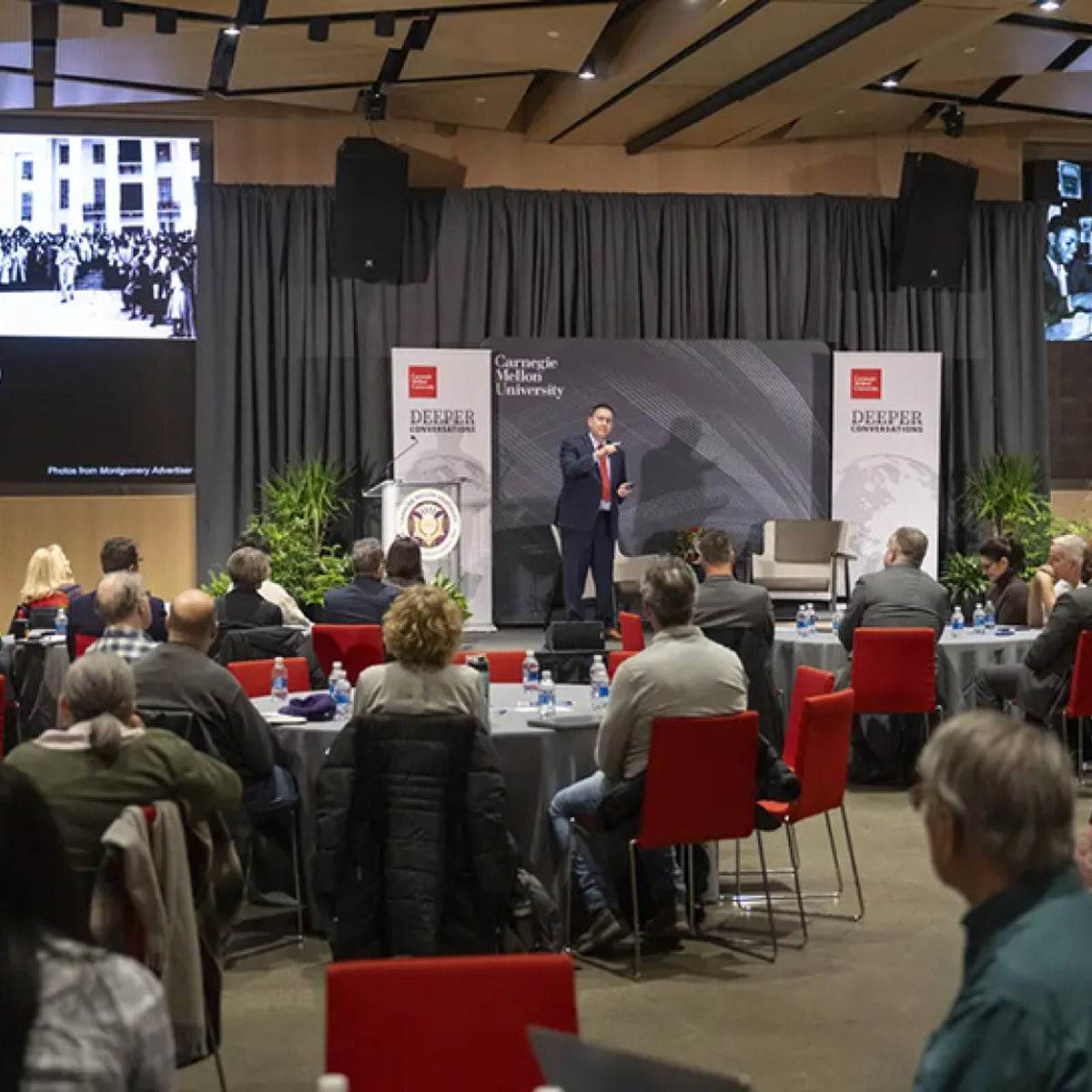
Universities in the Balance: Federal Law, Policy and Pressures in Divisive Times
Keynote: Dr. Neal Hutchens, professor of Educational Policy Studies and Evaluation at the University of Kentucky.
Focus: How law and policy have impacted the evolving role of universities in American society.

From Upheaval to Action: What Works In Changing Higher Education
Keynote: Dr. Arthur Levine, President, Brandeis University
Focus: How demographic shifts, technological change, affordability pressures and declining public trust are reshaping higher education
Opportunities to Engage
2026 Spring Semester
Participatory Design for Researchers
January 20, 9:00 - 10:00 a.m. | Sorrells Library Den
The Crisis of the Humanities and the Future of Japanese Studies
February 3, 5:30 - 7:00 p.m. | Posvar Hall 4130, University of Pittsburgh
Martin Luther King, Jr. Rememberance Celebration
February 4, 5:00 - 6:15 p.m. | Rangos Ballroom
2026 Reaccreditation Community Town Hall
February 17, 12:00 - 1:00 p.m. | Connan Room
MCS Think and Link
February 18, 1:00 - 2:00 p.m. | Mellon Institute (MCS), Social Room (MI 328)
Putting Community Partners on the Budget
February 19, 9:00 - 10:00 a.m. | Sorrells Library Den
2026 Reaccreditation Community Town Hall
February 24, 5:00 - 6:00 p.m. | Simmons Auditorium B
Dickinson Prize in Science Award Ceremony and Lecture
March 11, 5:00 - 6:00 p.m. | Simmons Auditorium
Tips and Tricks from Community Research Superstars
March 16, 12:00 - 1:00 p.m. | Sorrells Library Den
Robotics Innovation Center Community Open House
March 16, 5:00 - 7:00 p.m. | Robotics Innovation Center
State of the University Address
March 23, 12:00 - 1:30 p.m. | Rangos Ballroom
Spring Carnival and Reunion Weekend
March 23, 12:00 - 1:30 p.m. | Rangos Ballroom
President's Lecture Series, featuring Edda Fields-Black
April 13, 4:00 - 6:30 p.m. | Simmons Auditorium
Community Research Resource Roundup
April 15, 12:00 - 1:00 p.m. | Sorrells Library Den
Celebration of Education
April 15, 4:30 - 6:00 p.m. | Simmons Auditorium
Community Impact Forum
April 16, 12:00 - 1:00 p.m. | Peter, Wright and McKenna Rooms
Un-Conference Discussion Session, Research with Community
May 12, 3:00 - 5:00 p.m. | Sorrells Library Den
2025 Fall Semester
Heinz x SPIA Speaker Series: Decision-Making in Government – AI, Ethics, and Policy
September 11, 12:30 - 1:30 p.m.
Faculty Webinar: Opening Up CMU Research for All
September 16, 12 - 1 p.m. | Zoom
Heinz Forum: Freedom of Speech on College Campuses (Heinz Students)
September 18, 12:30 - 1:30 p.m.
Faculty Dialogues: Economic Theory, Game Theory and the Reality of Tariffs
September 25, 7 - 9 p.m. | New York, NY
How Can We Remake the Museum?
September 30, 5:30 - 7 p.m. | Carnegie Museum of Art Theater
Heinz Forum: Topic Accountability in the Age of Ambivalence - Institutional Responsibility (Heinz Students)
October 2, 12:30 - 1:30 p.m.
Research with Community: Research with K-12 Schools
October 8, 12:00 - 1:00 p.m. | Sorrells Library Den
Good Relations with Community Collaborators
October 20, 12:30 - 1:30 p.m. | Sorrells Library Den
The Politics and Expectations of Institutional Accountability
October 23, 12:30 - 1:50 p.m. | Hamburg Hall, A301
Academic Freedom: From Professional Norm to First Amendment Right
October 23, 5:00 - 6:30 p.m. | Posner Hall, Grand Room (Posner 340)
Why the Arts Matter for Democracy
October 30, 12:30 - 2:00 p.m. | Hamburg Hall, A301
AI & Energy: A Community Summit
November 12, 11:30 a.m. - 3:00 p.m. | Simmons Auditorium
Public Service in a Transforming Nation
November 13, 12:30 - 1:45 p.m. | Hamburg Hall, A301
The Fifth Carnegie Mellon University Open Science Symposium
November 13, 9 - 4 p.m. | Zoom
Working with Community Datasets
November 17, 12:30 - 1:30 p.m. | Sorrells Library Den
Heinz x SPIA Speaker Series: Interplay of Domestic & International Affairs
November 20, 12:30 - 1:30 p.m. | On Pitt's campus
Unconference on All Things Participatory Research
December 8, 3:00 - 5:00 p.m. | Sorrells Library Den
Academic Coursework
CMU's Course Catalog has a range of academic offerings focused on promoting productive discourse on politics and democracy. Some of these offerings include:
- 48742 Planning and Public Policy for the Future of Urbanism
- 60492 Advanced Social Practice: Public Text as Free Speech
- 66101 Dietrich Introductory Seminar: College & University Success Strategies
- 66136 DC Grand Challenge First-Year Seminar: Becoming Resilient in Challenging Times
- 66300 Using Collective Leadership to Pursue Community Goals
- 66148 Introduction to Community Engagement
- 67206 Technology Outreach and Engagement in the Pittsburgh Community
- 84675 Geopolitics of Innovation
- 19701 Introduction to the Theory and Practice of Policy Analysis
- 79300 Controversial Topics in the History of American Public Policy
- 4976 The Future-Ready Leader
- 76108 Writing about Public Problems
- 90708 Introduction to the Theory and Practice of Policy Analysis
- 90780 Pennsylvania Data Impact Lab
- 90798: Systems Analysis - Environmental Policy
- 90808: US Energy & Climate Policy
- 90810: Social Movements
- 90894 Federal Budget Policy
- 94837: Leading with Equity & Inclusion
- 45-745 Ethics and Leadership
- 45-848 Ethics and AI
- 47-877 Public Economics
- 47-920 Seminar in Ethical theory
- 70-334 Ethics of Emerging Technologies
- 73-332 Political Economy
- 73-352 Public Economics
- 73-421 Emerging Markets
Past Topics
In its inaugural year, Deeper Conversations focused on helping members of the CMU community navigate issues related to the current geopolitical crisis and history of conflict in Israel and Gaza. Its subsequent series tackled issues related to democracy, the U.S. election, and the role of the federal government in society.
Interested in continuing the conversation about past Deeper Conversations topics?
Support and Resources
Recognizing that the work of engaging in honest and respectful conversations and meaningful learning opportunities around complex topics can be challenging, the University maintains an array of services and resources for supporting students, faculty and staff. These include:
Restorative Practices Opportunities
Restorative practices create spaces for community members to engage in meaningful conversations, address harm and collaboratively work towards shared understanding. These practices offer an opportunity to focus on healing and accountability rather than punitive outcomes. By implementing restorative practices, we endeavor to foster a supportive environment where every voice is heard, mend relationships, and cultivate and enhance a sense of belonging.
Academic Freedom and Freedom of Expression Report
CMU's Commission on Academic Freedom and Freedom of Expression report, released in October 2022, explores and clarifies the university's commitment to academic freedom and freedom of expression in a contemporary context.
Community Health and Well-being Resources
Carnegie Mellon offers a broad range of options for supporting the well-being of students, faculty and staff. These services are designed to care for an individual's physical, mental, emotional and spiritual health, among other aspects of their well-being.
Student Support and Resources
CMU's Division of Student Affairs identifies a wide array of services and resources for undergraduate and graduate students across the University. Among the options listed: religious resources, immigration support, accommodation requests, crisis support and more.
Campus Climate and Bias Reporting Protocol
Launched in late 2023 and open to any member or visitor of the CMU community, this tool enables users to informally address and navigate alleged bias situations on campus. It complements formal tools for addressing hate and discrimination and supports involved parties in learning, growing, repairing harm and ultimately reaching a resolution.
Community Messages
Carnegie Mellon University leaders have shared a number of community messages devoted to promoting civil discourse, reaffirming institutional values and advocating for a zero-tolerance stance on hatred, bias or discrimination of any kind. These communications champion productive discourse and active learning across the university – especially on issues where community members disagree.
Authored by CMU President Farnam Jahanian:
- Meeting the Challenges of a Shifting Landscape (August 2025)
- Next Steps for the Fence and Campus Dialogue (July 2025)
- A Message About the Fence and Discourse at CMU (July 2025)
- Tomorrow’s Energy and Innovation Summit (July 2025)
- CMU to Host Energy and Innovation Summit Convened by Sen. David McCormick (June 2025)
- CMU125: Inspired by the Past, Building for the Future (May 2025)
- CMU’s Response to Federal F&A Cap for NSF (May 2025)
Did You Know?
- Every year, CMU celebrates Democracy Day, a full day of programming devoted to exploring ways we can be respectful, intentional and constructive when engaging in civil discourse.
- The Undergraduate Core Program in the Mellon College of Science was implemented in 2015 as an innovative approach to science education that fosters student growth in four dimensions: scholar, professional, citizen and person.
- Heinz College’s Deliberative Discourse Initiative seeks to embed and integrate deliberative discourse skills into the student experience, with a focus on reasoning, exchanging ideas and considering multiple perspectives.
- The Center for Informed Democracy and Social cybersecurity (IDeaS) is a university-wide center dedicated to the study of online disinformation and its effects on democracy.
- The Center for Applied Research on Targeted Violence, a collaboration between CMU and the University of Pittsburgh, looks to develop interventions that inhibit extremist hate and minimize its impacts.
As one of the most innovative and creative learning and research environments, Carnegie Mellon is fortunate to have exceptional academic leadership at the helm of its schools, colleges and international programs. Through the Office of the Provost, university deans oversee the delivery of the transformative educational experience that makes Carnegie Mellon a world renowned institution. All deans report directly to the provost.
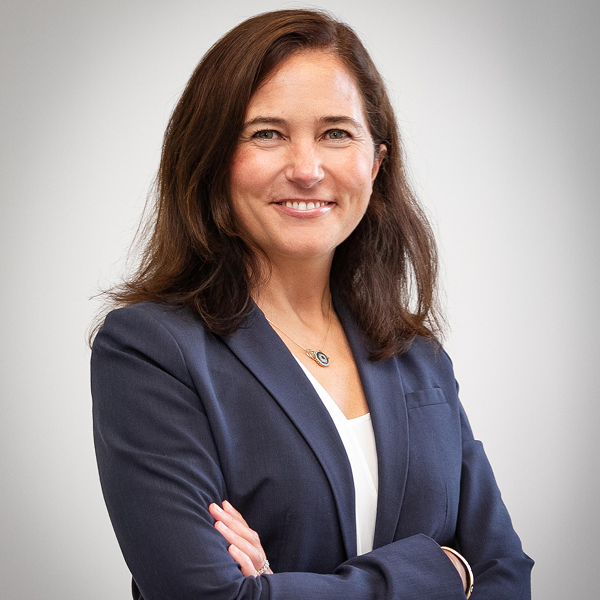
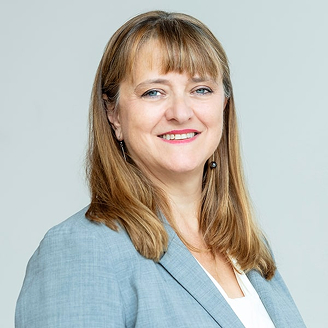
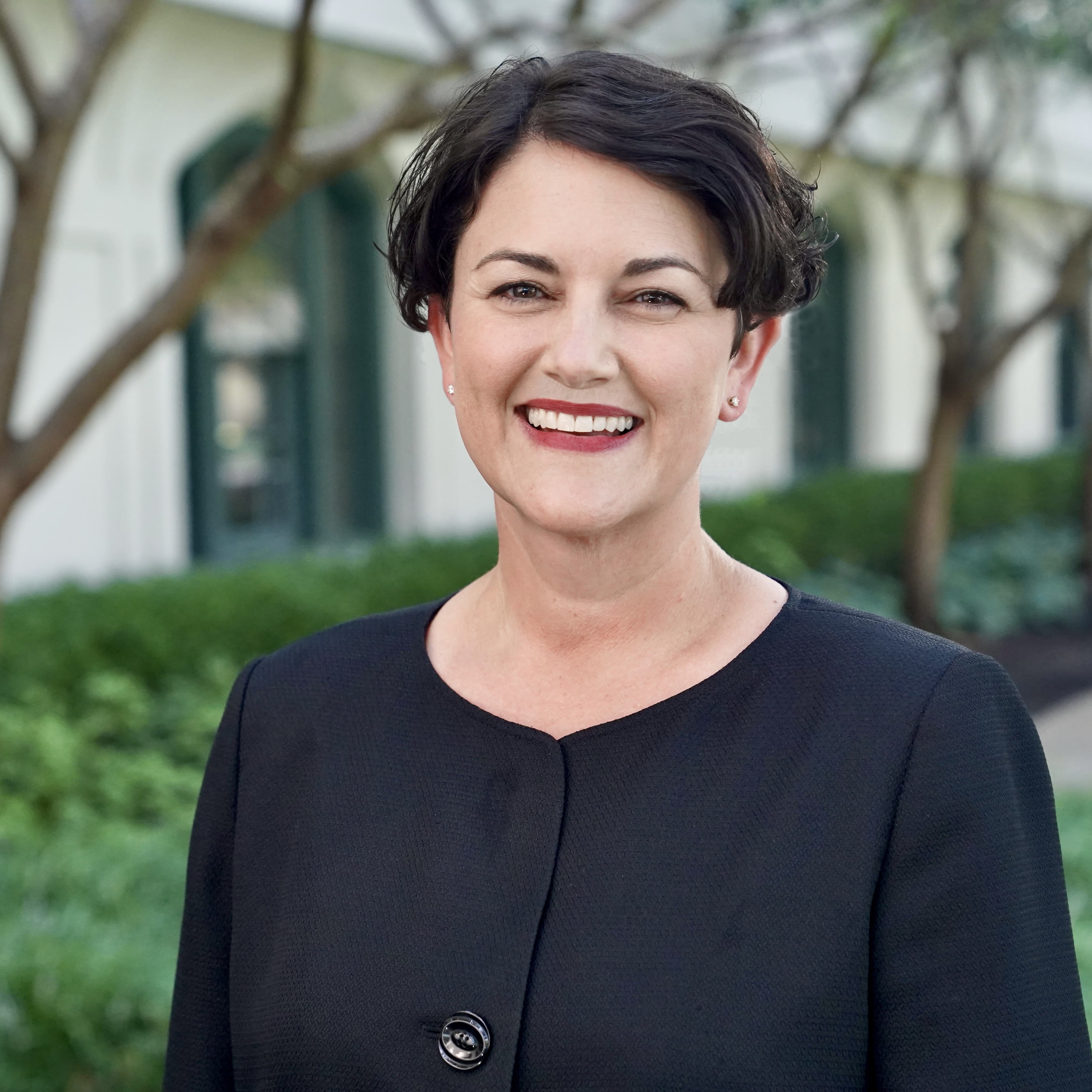

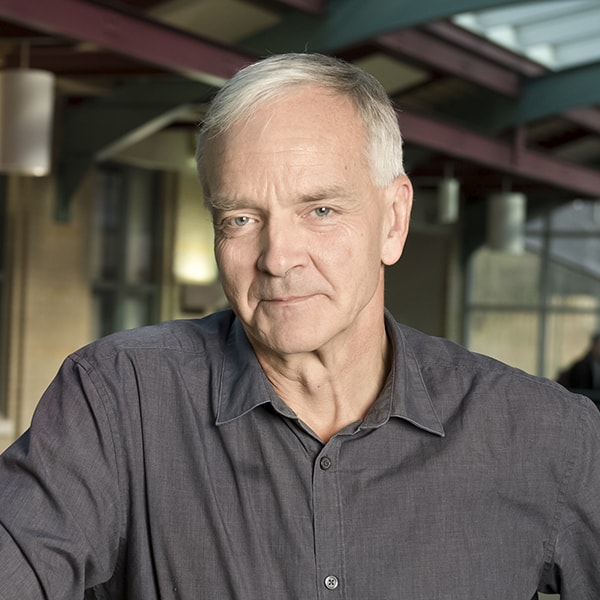

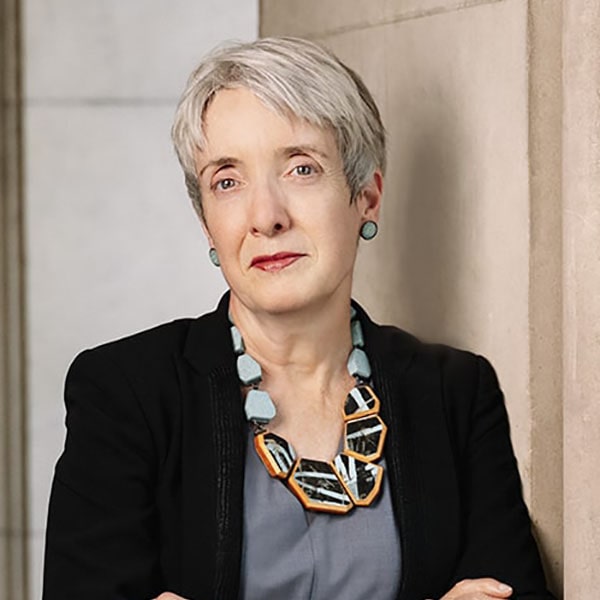
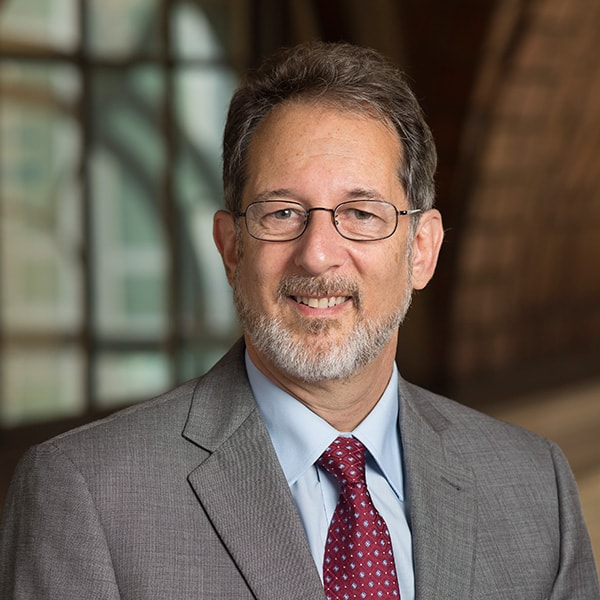
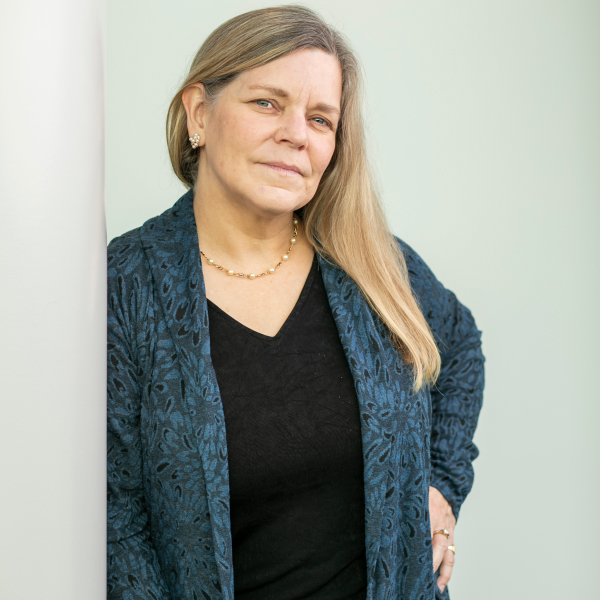
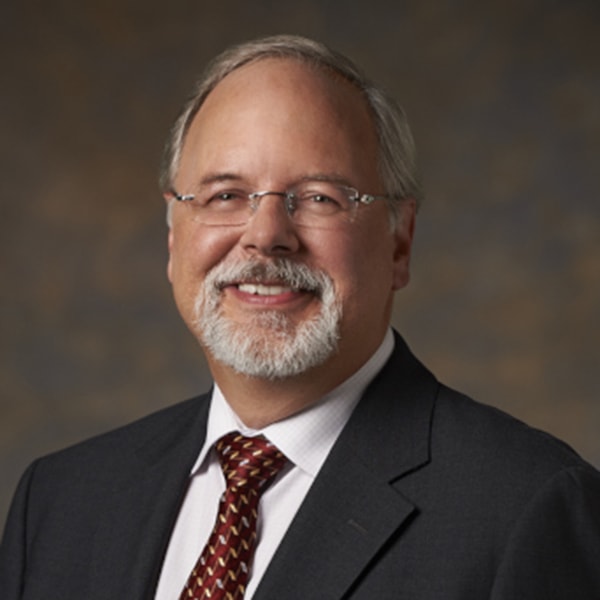

Members of the Office of the President serve as points of contact for planning and guiding the initiatives and activities of the president as they relate to internal operations and global external relationships. CMU community members are encouraged to reach out early in the event planning process if they wish to invite the president, the provost or other senior staff to attend an event.
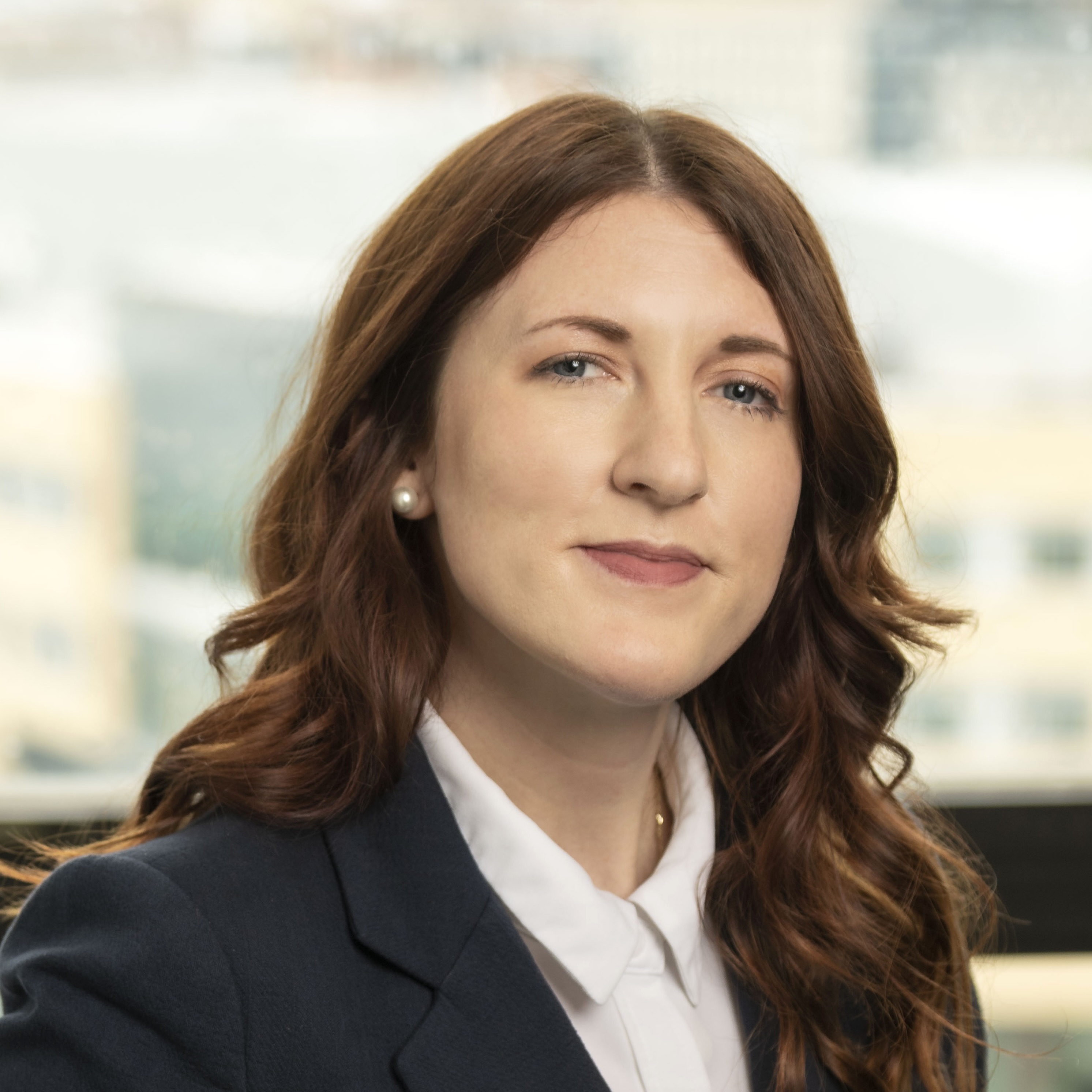
Chelsea Blackburn Cohen
Senior Manager, Strategic Initiatives and Engagement

Rene Haas
Chief Executive Officer, Arm
Rene was appointed Chief Executive Officer and to the Arm Board in February 2022. Prior to being appointed CEO, Rene was President of Arm’s IP Product Groups (IPG) from January 2017. Under his leadership, Rene transformed IPG to focus on key solutions for vertical markets with a more diversified product portfolio and increased investment in the Arm software ecosystem. In addition to his role as CEO, Rene also sits on the boards of Arm China, AstraZeneca, and SoftBank Group.
Rene joined Arm in October 2013 as Vice President of Strategic Alliances and two years later was appointed to the Executive Committee and named Arm’s Chief Commercial Officer in charge of global sales and marketing.
Before joining Arm, Rene held several applications management, applications engineering and product engineering roles, including seven years at NVIDIA as vice president and general manager of its computing products business. Prior to NVIDIA, Rene held executive roles at Scintera Networks and Tensilica.
Rene earned his Bachelor of Science in Electrical and Electronics Engineering from Clarkson University and is a graduate of the Stanford University Graduate School of Business Executive Education Program.

Luis von Ahn
CEO and Co-Founder, Duolingo
Luis von Ahn is the Co-Founder and CEO of Duolingo (NASDAQ: DUOL), the world’s most popular language-learning platform, serving hundreds of millions of users worldwide with a mission to make education free, accessible, and engaging. Born in Guatemala, Luis was a Professor of Computer Science at Carnegie Mellon University and a recognized pioneer in the fields of crowdsourcing and human computation.
Prior to founding Duolingo, Luis created reCAPTCHA, a system acquired by Google that digitized books while simultaneously protecting websites from automated abuse. A recipient of the MacArthur “Genius” Grant, he has been celebrated for his innovative approaches to leveraging human interaction at scale. Through Duolingo, Luis continues to advance his philanthropic vision of inclusive education, blending cutting-edge technology with a commitment to expanding global access to learning.

Ted Decker
Chair, President & Chief Executive Officer, The Home Depot
Ted Decker is chair, president and CEO of The Home Depot, the world’s largest home improvement retailer with more than 2,300 stores and approximately 475,000 associates. He is also a member of the company’s board of directors. Under Ted’s leadership, The Home Depot is creating a seamless interconnected shopping experience for Pro and DIY customers, while championing the company’s unique culture.
From 2020 to 2022, Ted served as president and chief operating officer and was responsible for global store operations, global sourcing operations, global supply chain, outside sales and service, real estate, as well as merchandising, marketing and online strategy. While he was in this role, the company enhanced its capabilities to blend the online and in-store worlds and better serve customers however they choose to shop.
Previously, Ted served as chief merchant and executive vice president of merchandising for more than six years, where he was responsible for store and online merchandising departments, merchandising strategy, marketing and vendor management and in-store environment.
Ted joined The Home Depot in 2000 as director of business valuation. Over the past two decades, he has held several strategic positions across the company including senior director of business valuation, vice president, senior vice president of strategic business development and senior vice president of retail finance. His experience across the business enables him to blend the art and science of retail.
Before joining the company, Ted worked in business development, strategic planning and finance at Kimberly-Clark Corp. and Scott Paper Co. Prior to that, he held various corporate finance, lending and credit positions at PNC Bank. He has extensive international experience, having lived and worked in England and Australia.
Ted serves on Carnegie Mellon University’s Board of Trustees and also sits on the Atlanta Committee for Progress board. He earned a bachelor’s degree in English from The College of William and Mary and a master’s degree in business administration from Carnegie Mellon University.
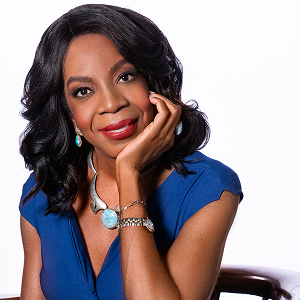
Edda Fields-Black
Pulitzer Prize-winning author, Professor, CMU Department of History, and Director, Dietrich College of Humanities Center
Dr. Edda L. Fields-Black is Professor in the Department of History and Director of the Dietrich College Humanities Center at Carnegie Mellon University. Her research specialty is the trans- national history of West African rice farmers, peasant farmers in pre-colonial Upper Guinea Coast and enslaved laborers on rice plantations in the antebellum South Carolina and Georgia Lowcountry. Throughout her career, Fields-Black has used interdisciplinary sources and methods to uncover the voices of historical actors in pre-colonial West Africa and the African Diaspora who did not author written sources.
Fields-Black was awarded the 2025 Pulitzer Prize in History and the 2025 Gilder Lehrman Lincoln Prize for her book, COMBEE: Harriet Tubman, the Combahee River Raid, and Black Freedom during the Civil War. COMBEE recounts a crucial chapter in American history when Harriet Tubman, working with the Union Army, led a daring Civil War raid to attack rice plantations owned by Confederate slave owners in the South Carolina Lowcountry. This is an untold chapter in the life of one of America's best-known and loved heroines.
Tubman and her crew of spies, scouts, and pilots piloted 300 Black US Army soldiers (all formerly enslaved men) and their white abolitionist commanders up the winding Combahee River in three armed US Army boats. In six hours, they torched seven rice plantations and liberated nearly 800 enslaved people, many of whom spoke a Creole language (today called Gullah Geechee) Tubman could not even understand. Based on US Civil War pension files, planters’ documents of slave transactions, and abolitionists’ personal correspondence, COMBEE tells the story of Harriet Tubman's Civil War service and brings to life the enslaved families, neighbors, and sweethearts forced to work in South Carolina's deadly tidal rice swamps who were sold and separated during slavery, then liberated and reunited in the raid. It was the largest slave revolt in US history.
In addition, Fields-Black is author of Deep Roots: Rice Farmers in West Africa and the African Diaspora (2008) and co-editor of Rice: Global Networks and New Histories (2015). She is executive producer and librettist of “Unburied, Unmourned, Unmarked: Requiem for Rice” with three-time EMMY™ Award-winning classical music composer, John Wineglass. Fields-Black has worked as an advisor to curators at the Smithsonian National Museum of African American History and Culture and a consultant to the International African American Museum and the Senator John Heinz History Center. She is currently an advisor to the Smithsonian National Museum of American History.

Annual Douse-A-Dean Fundraiser
In partnership with the University Police, Douse-A-Dean is a friendly competition between the deans (and the provost) to see who can raise the most money in support of Special Olympics PA by sitting under a bucket of water while participants try to release that bucket by throwing balls at a target.

2026 Douse-A-Dean
$ 20,000
Funds Raised
1
2026 Champion
Dietrich College of Humanities and Social Sciences
In December 2020, President Farnam Jahanian charged this commission to explore and clarify the university’s commitment to academic freedom and freedom of expression in a contemporary context.
In addition to exploring matters related to university policies and practices, the commission's charge included creating forums through which students, faculty and staff can explore the meaning and inherent value of both these principles, including how they are distinct and the ways in which they collectively support our academic mission.
The commission's final report and recommendations were shared with the university community in October 2022.
Implemented Commission Recommendations
Implementation Steering Committee
Constituted an Implementation Steering Committee headed by the Provost to follow through on the commission’s recommendations.
Advocate for Academic Freedom/Freedom of Expression
Hired an advocate for Academic Freedom/Freedom of Expression (AF/FoE) (the Student and Faculty Ombudsperson) to serve as a resource on AF/FoE for the campus community.
Education and Training Activities
Formulated and implemented activities for education and training, including a speaker series representing diverse views; an assessment of existing and new courses related to AF/FoE; and additional opportunities for engagement.
Hiring Decisions
While reaffirming unit-level decision making around hiring, the Implementation Committee made changes to address situations in which hiring decisions made by one unit can create harm to the wider university.
Core University Values
We continue to articulate AF/FoE as a core university value, along with the idea that AF/FoE is complementary to ensuring mutual respect and inclusion.
Policy on Policy Development
Following the procedures set out in the existing Policy on Policy Development, we continue to consider the commission's suggested changes to amend three university policies: those on Freedom of Expression, the Policy on Separation of Individual’s and Institution’s Interests, and the Code of Business Ethics and Conduct.
Keith E. Whittington, Ph.D.
William Nelson Cromwell Professor of Politics
Princeton University
Randall L. Kennedy, J.D.
Michael R. Klein Professor of Law
Harvard Law School
Sigal Ben-Porath, Ph.D.
Professor of Education, University of Pennsylvania
Author of Free Speech on Campus (University of Pennsylvania Press, 2017)
Erwin Chemerinsky, J.D.
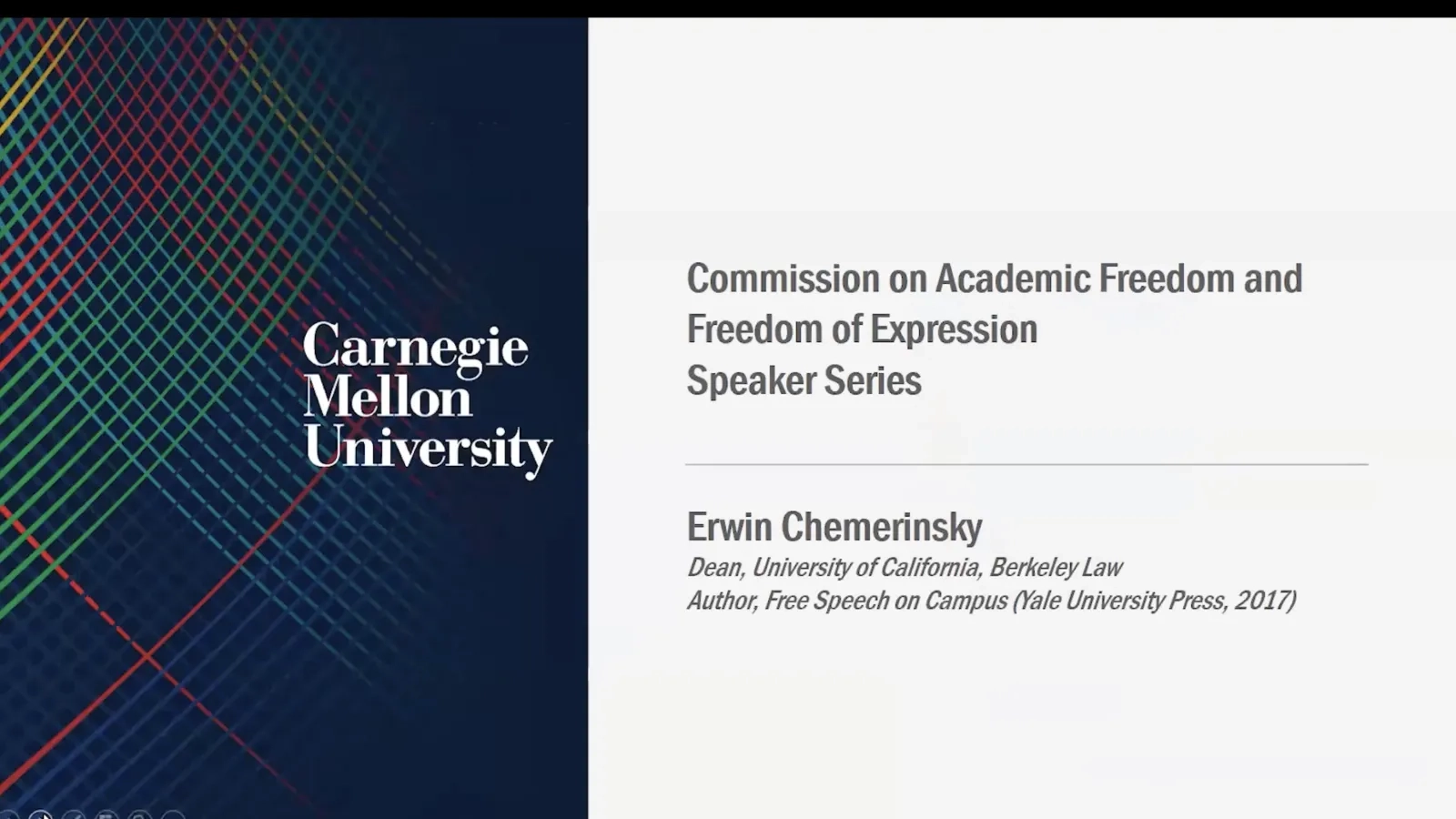
Dean, University of California Berkeley School of Law
Author of Free Speech on Campus (Yale University Press, 2017)