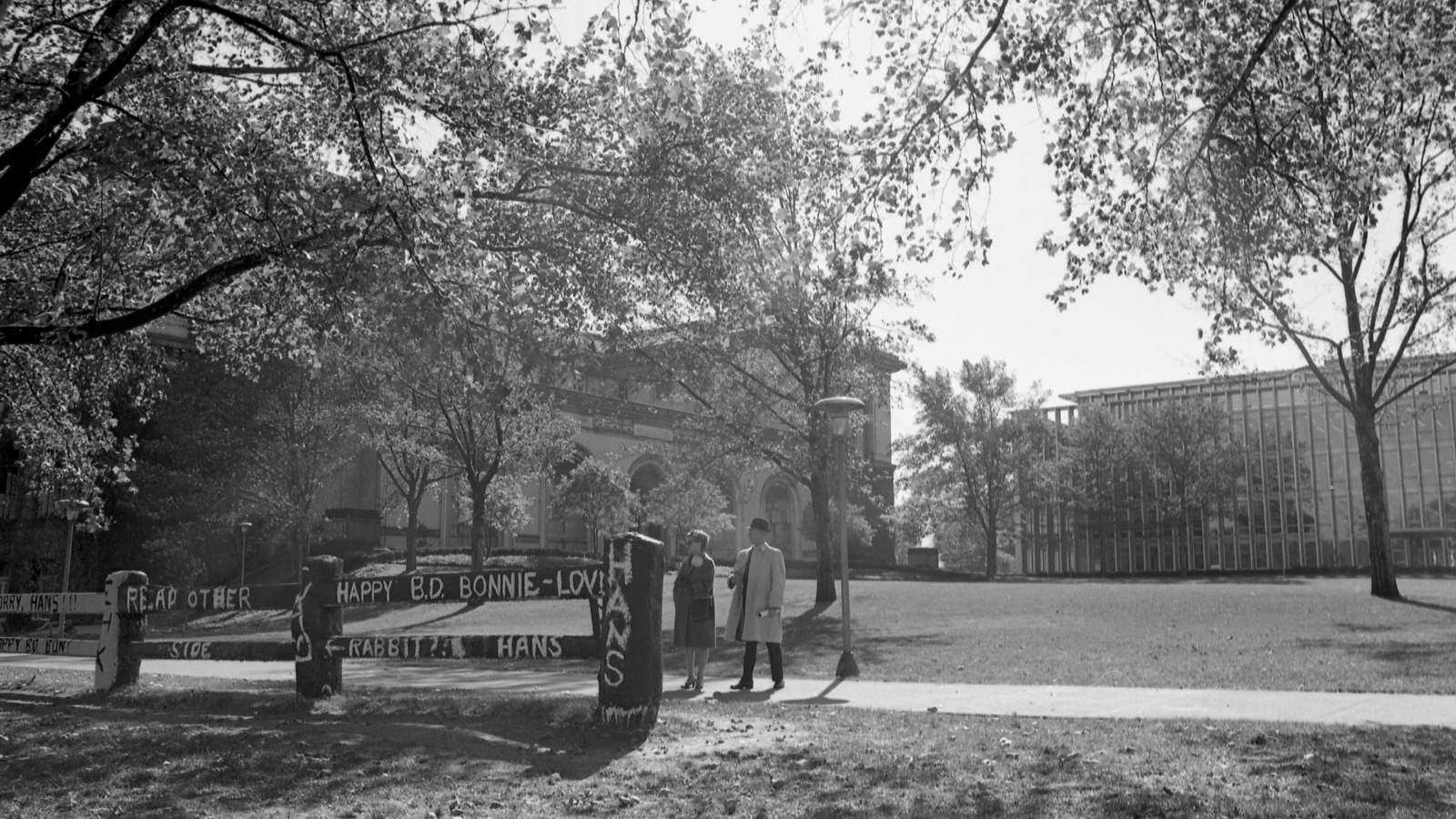

History

Founder Spotlight
A self-educated "working boy," Andrew Carnegie emigrated from Scotland in 1848 and settled in Pittsburgh, Pa. Attending night school and borrowing books, Carnegie went from factory worker in a textile mill to successful entrepreneur and industrialist. He rose to prominence by founding what became the world's largest steel producing company by the end of the 19th century.
"My heart is in the work," he stated, which would become part of the school's official motto.
At one point the richest man in the world, Carnegie once said, "To die rich is to die disgraced." He turned his attention to writing, social activism and philanthropy, determined to establish educational opportunities for the general public where few existed.
CMU's Origin
1900: Initial Funding for Carnegie Technical Schools
In 1900, Andrew Carnegie donated $1 million to the city of Pittsburgh, envisioning a school where working-class men and women of Pittsburgh could learn practical skills, trades and crafts that would enhance their careers, lives and communities.
The Carnegie Technical Schools offered two- and three-year certificates in the arts as well as in engineering disciplines and included a college for women, Margaret Morrison Carnegie College.

Initial number of students
The first Carnegie Technical Schools class was admitted in 1906.
Degrees Introduced
1912: Carnegie Tech Grants Bachelor's Degrees
Soon faced with the demand for baccalaureate programs, Carnegie Technical Schools changed its name to the Carnegie Institute of Technology, or "Carnegie Tech", and began offering bachelor's degrees through its College of Engineering and College of Fine Arts.
Carnegie Tech set the groundwork for a research institution, recruiting leading scientists, offering sponsored fellowships with government and industry leaders and pioneering nontraditional interdisciplinary research, which brought together physicists, chemists and metallurgists, for example. Interdisciplinary research would become the hallmark of Carnegie Mellon research. In 1919, the first doctorate (in civil engineering) was awarded to Mao Yisheng, a student from China.

First U.S. Drama Class
actors
The first U.S. drama degree was awarded in 1914 at Carnegie Tech.
Investment in Expansion
Early 20th Century Progress
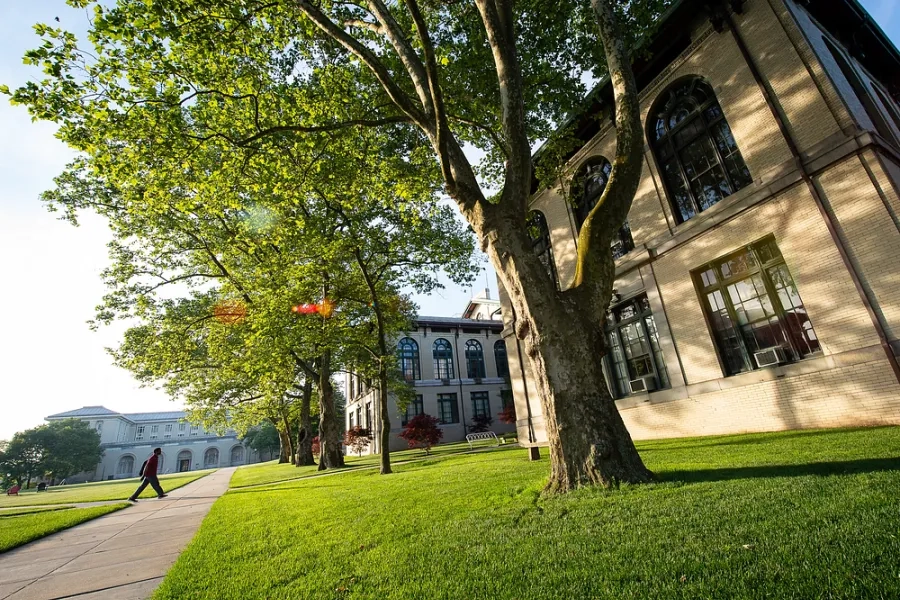
During the first half of the 20th century, with support from Andrew Carnegie and other funders, Carnegie Tech laid the foundation for a school on the cutting edge. It expanded from two buildings into an elegant 20th-century campus designed in the Beaux Arts architectural style, housing a wealth of machine shops, studios and laboratories — the hands-on center of learning that persists today.
Carnegie died in 1919, but his vision for an educated public lived on after him.

Humanities Requirement
% of curriculum
With the goal of understanding societal needs, the Carnegie Plan began in 1938. Science and engineering students were now required to take humanities and social sciences courses.
Post-war Growth: Opening Three New Schools
With the end of World War II, the latter half of the 20th century brought unprecedented growth to Carnegie Tech. In 1956, the arrival of the first IBM computer to campus was revolutionary, initiating a university culture where information technology pervaded virtually all areas of study.
University culture also changed in 1973, when Margaret Morrison closed and women joined their male peers in classrooms and dorms.
1948

The Graduate School of Industrial Administration, later renamed the David A. Tepper School of Business, focused on quantitative analysis and pioneering the field of management science.
1968
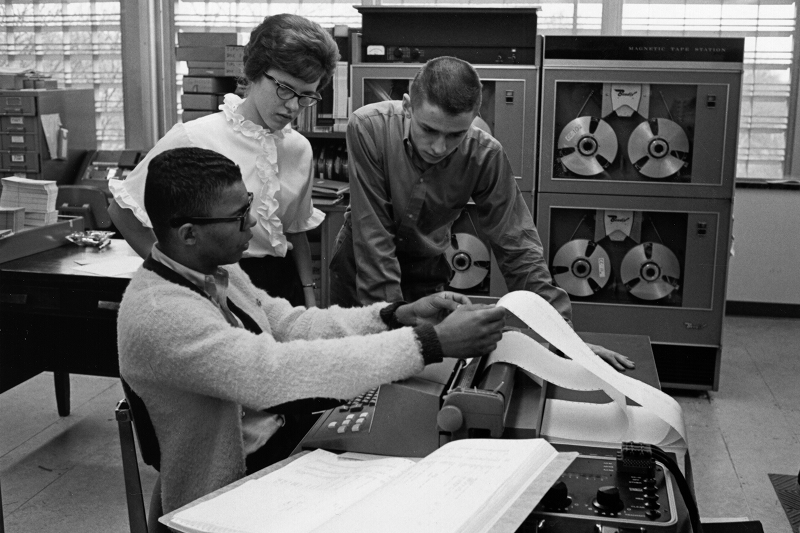
The School of Urban and Public Affairs, later renamed the H. John Heinz III College, provided graduate training for work in the public sector.
1986
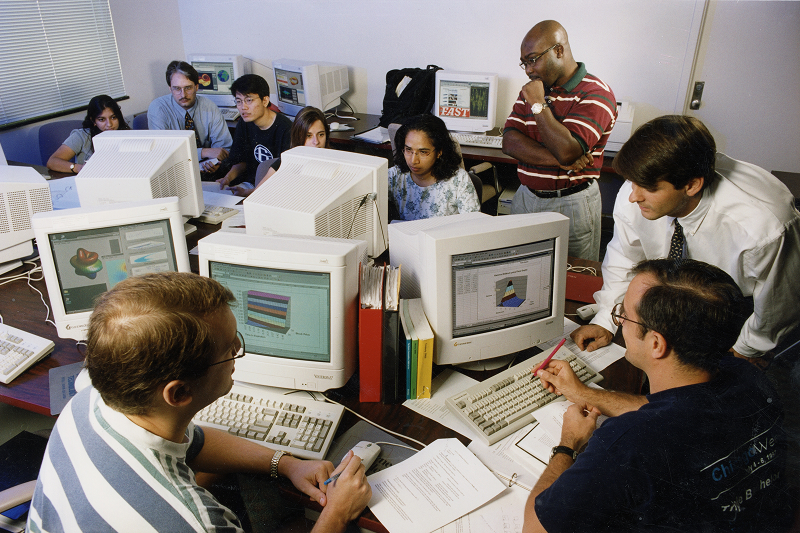
The School of Computer Science pioneered computing and artificial intelligence, led by interdisciplinary efforts of Allen Newell and Herbert Simon.
1967 - Present
The CMU of Today
In 1967, Carnegie Tech merged with the Mellon Institute, a science research center founded by the Mellon family of Pittsburgh, to become known as Carnegie Mellon University.
This support from the Mellons allowed Carnegie Mellon to establish the last of its current pillars: the Mellon College of Science and the College of Humanities and Social Sciences, now known as the Marianna Brown Dietrich College of Humanities and Social Sciences.
In 2017, Carnegie Mellon celebrated the 50th anniversary of the Carnegie Tech–Mellon Institute merger, revisiting the shared vision of the founders and recognizing the impact it has had, and will continue to have, in the world of higher education, research and discovery.
2025 Student Count
CMU's Global Leadership
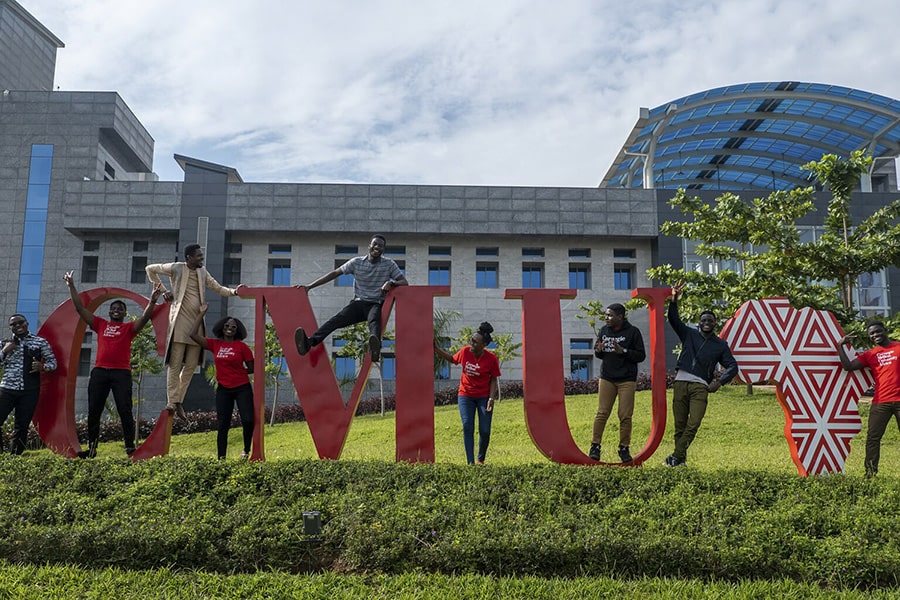
In its 115 years, Carnegie Mellon has soared to national and international leadership in higher education and research. A birthplace of innovation since its founding, it continues to be known for innovation, for solving real-world problems and for interdisciplinary collaboration. Its alumni can be found across the globe — from Tony Award winners to Nobel Prize and Turing Award winners, from CEOs to entrepreneurs, from professors to artists.
In the 2000s, in response to demand for expanded international educational opportunities, Carnegie Mellon began offering degree programs outside of Pittsburgh.
Today its global presence includes campuses in Qatar and Silicon Valley, Calif., more than a dozen degree-granting locations, and more than 20 research partnerships in cities and countries such as Los Angeles, New York City, Washington, D.C., China, Portugal and Rwanda.
2002
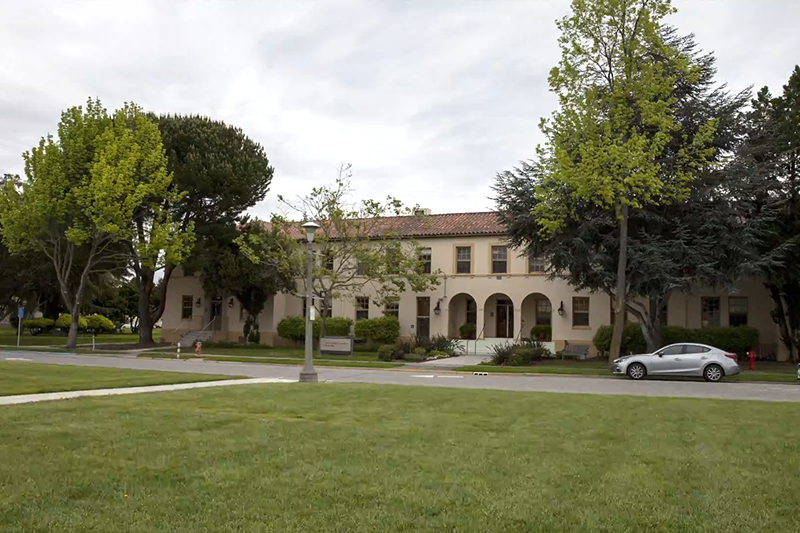
Carnegie Mellon established a branch campus in Silicon Valley, the epicenter of the modern technological revolution.
2004
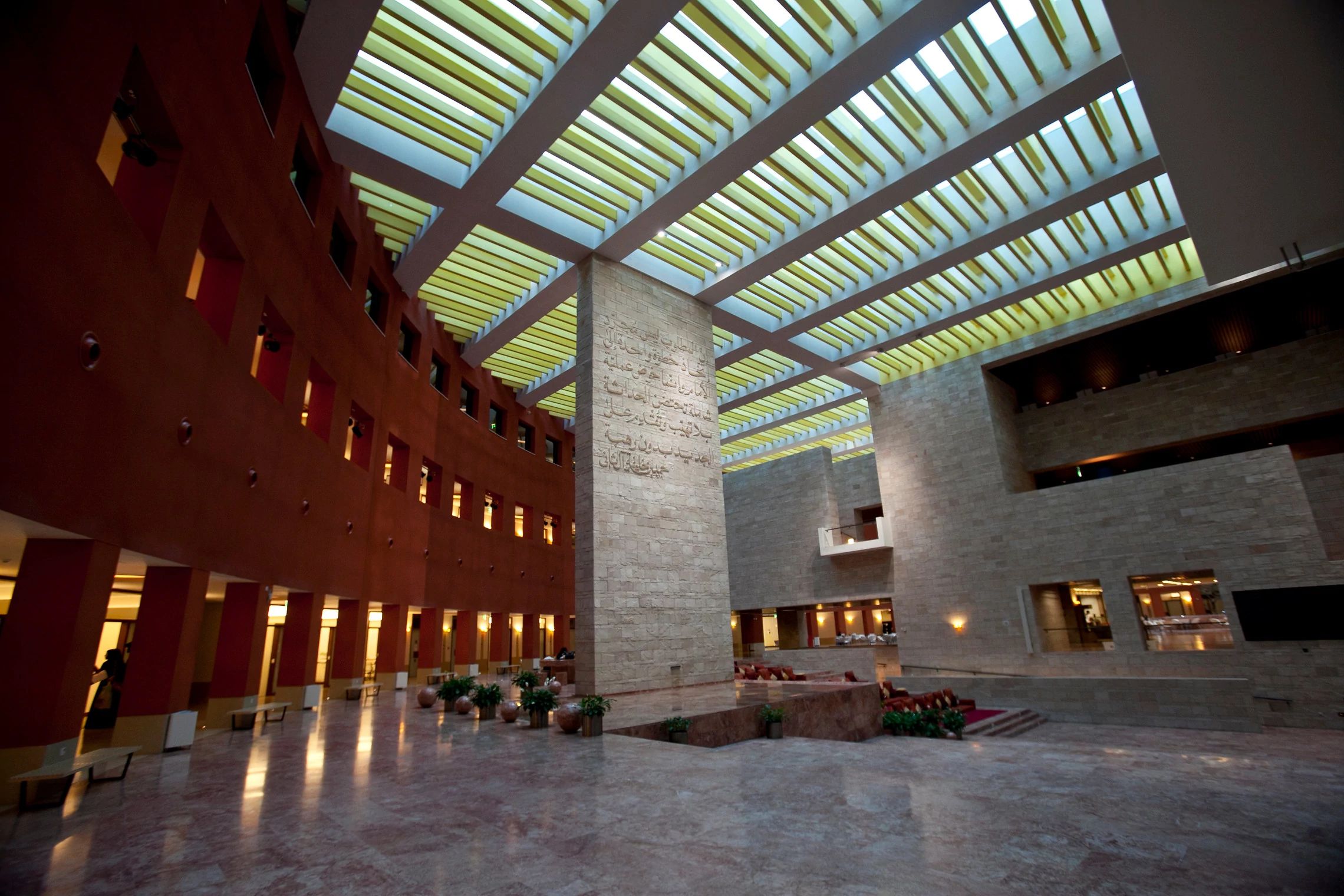
Carnegie University in Qatar (CMU-Q) opened its doors with 41 students, offering programs in Business Administration and Computer Science.
2011
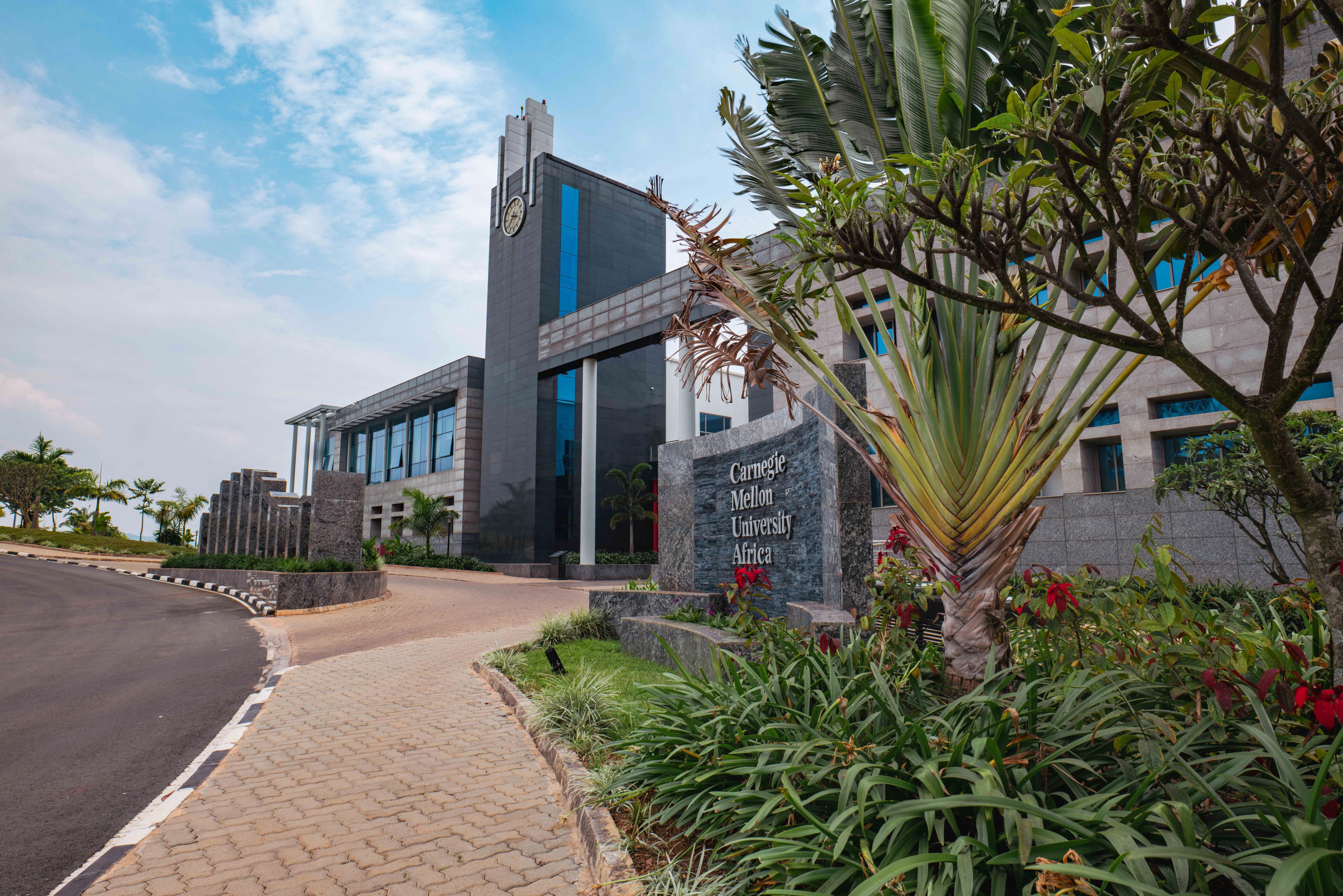
Carnegie Mellon University and the Government of Rwanda signed an agreement to establish CMU-Africa. This partnership was designed to respond to the critical shortage of high-quality engineering talent required to harness Africa's tremendous potential as home to the fastest-growing workforce in the world.

Expanding into the Future
CMU is positioned like never before to meet the challenges of the 21st century. In the coming years, the university will see the largest expansion to the Pittsburgh campus since 1900.
At the intersection of technology and humanity, CMU will focus on advancing the individual student experience, the broader Carnegie Mellon community experience, and the social impact of Carnegie Mellon throughout the world.

Tris Jahanian
Presidential Spouse
Tris Jahanian is the wife of Carnegie Mellon’s 10th president, Farnam Jahanian.
Tris is an active member of the CMU community and serves as an ambassador for all things Tartan, whether engaging on campus with students, professors, staff, supporters and alumni or representing the university around the world. She also proudly serves as honorary president of the Carnegie Mellon Women’s Association, which hosts workshops and networking events to advance the experience of women across our campus.
Tris is an expert in software development and systems architecture with more than 30 years of experience. Her professional career includes work for Electronic Data Systems and Fiserv, Inc., where she developed cutting-edge software and built technology for financial institutions. Tris was responsible for developing a secure communications algorithm that allows banks to communicate to each other during ATM transactions. She holds two patents for her work in high-performance guaranteed distributed transaction authorization.
Tris earned a Bachelor’s of Science in Math, Computer Science and Systems Design from the University of Texas at San Antonio.
Her recent personal endeavors include launching a tech startup – Martris, LLC – with her friend and co-founder Martha Harty. Her first product is a mobile app for conflict management called Conflict Coach. As a member of the Pittsburgh community, she serves on the Board of the Carnegie Science Center and volunteers with several local organizations.
Tris and Farnam have three children: Dan, Thomas and Sara (who earned her statistics and data science degree at CMU).

Research News


Building the Boom
Carnegie Mellon University's Growing Impact on the Local, Regional and State Economies
These are exciting times for CMU and the Pittsburgh region. Since 2016, the university’s annual economic impact across Pennsylvania has surged by nearly $600 million — a 23% increase in just four years.
Key factors in this growth include an 11% increase in research enterprise and a dynamic set of new capital investments such as TCS Hall, ANSYS Hall and Tepper Quad.
At CMU, real-world outcomes drive everything we do. Our faculty, students, staff and alumni collaborate with industry and community leaders to create change, inspiring world-class innovation and entrepreneurship. Our breakthrough research and education in technologies like AI and robotics are attracting global corporations and creating new opportunities in every sector of the economy, from manufacturing to health care.
Together, we’re working smarter. Transforming businesses, neighborhoods and lives. Together, we’re forging a better tomorrow.
Building Growth in Our Communities
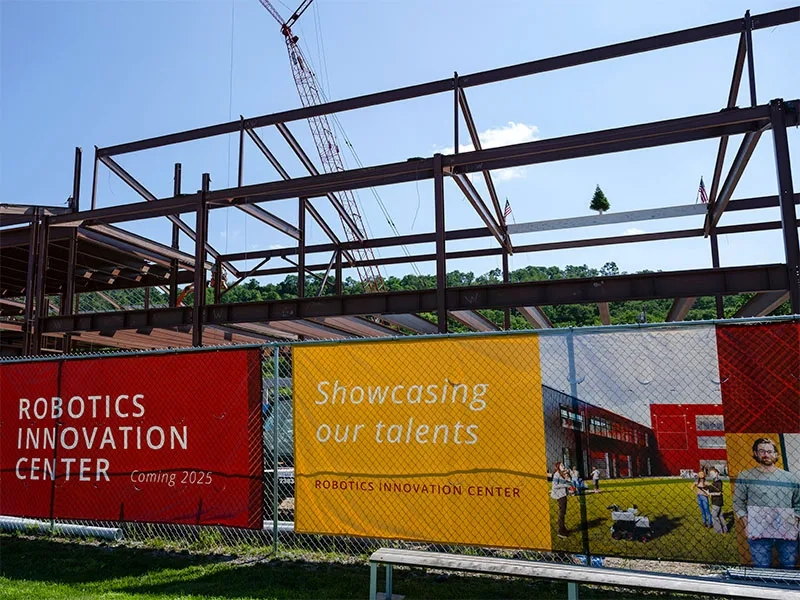
CMU is working to engineer groundbreaking solutions for global challenges while also developing partnerships that engage the community and drive economic growth. You can see these efforts from our National Robotics Engineering Center (NREC) facility in Pittsburgh's Lawrenceville neighborhood to the Hazelwood Green ecosystem taking shape in the Greater Hazelwood neighborhood in Pittsburgh.
Creating Economic Impact Across Pennsylvania
19,600 +
jobs supported statewide
in direct, indirect and induced jobs, including construction, food service, technology, tourism and transportation
$ 3 billion
in economic impact across Pennsylvania
including capital investments, annual operations, visitor spending and wage premium
$ 72 million
tax revenue generated annually in Pennsylvania
with $14.2 million generated in the city of Pittsburgh
$ 1 .85 billion
annually in economic impact in Pittsburgh
575
corporate partnerships
$ 131 million
annual impact from student and visitor spending
and $58 million annual impact of the alumni wage premium
400 +
startups created by students and faculty since 2010
$ 191 million
annual impact of capital investment in Pittsburgh
$ 2 .31 billion
annual impact of operations across the region
As we embrace this tech-driven economy, universities like Carnegie Mellon are playing a growing and central role in the innovation ecosystem, helping to drive regional and national economic growth. This latest impact report underscores our commitment to the community and the special, symbiotic relationship that Carnegie Mellon has with this city, this region, the Commonwealth of Pennsylvania, and the public, private and nonprofit partners that we work closely with every day.
Farnam Jahanian
President of Carnegie Mellon University
What Do the Numbers Really Mean?
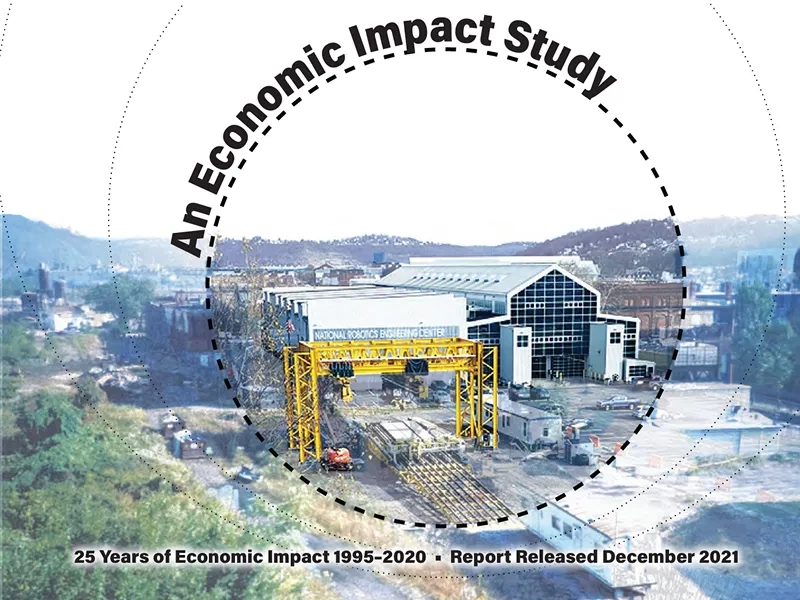
25 Years of NREC
A new report marks 25 years since the National Robotics Engineering Center's (NREC) founding, with new data points to demonstrate the real economic impact of a world-class research center on its surroundings.
Stories of Economic Impact


Get Involved
Volunteer or partner with us to help create lasting economic and community impact in the region.

David A. Coulter
David A. Coulter served as Vice Chairman, Managing Director and Senior Advisor at Warburg Pincus LLC, focusing on the firm’s financial services practice from 2005–2014. He continues to serve as a Special Limited Partner to Warburg Pincus.
Mr. Coulter retired in September 2005 as Vice Chairman of J.P. Morgan & Chase Co. He previously served as Executive Chairman of its investment bank, asset and wealth management, and private equity business. Mr. Coulter was a member of the firm’s three-person Office of the Chairman and also its Executive Committee.
Mr. Coulter came to J.P. Morgan Chase via its July 2000 acquisition of The Beacon Group, a small merchant banking operation. Before joining The Beacon Group, Mr. Coulter was the Chairman and Chief Executive Officer of the BankAmerica Corporation and Bank of America NT & SA. His career at Bank of America was from 1976 to 1998 and covered a wide range of banking activities. He was also an active member of the Federal Reserve Advisory Council and the International Monetary Conference.
He served on the board of Aeolus Re, MBIA, Mastercard International, Webster Bank, Sterling Financial, the Strayer Corporation, Santander Asset Management, and Triton International. He currently is on the board of Varo Money, Inc., ModivCare, and Innovu. He also serves on the boards of Lincoln Center, Carnegie Mellon University, Asia Society of Northern California, and the American Prairie Reserve.
He received both his B.S. and his M.S. from Carnegie Mellon University and currently serves as a Trustee for Carnegie Mellon.
Board of Trustees of the Corporation
2025-2026
The business, property and affairs of the Corporation are managed by or under the direction of a Board of Trustees of the Corporation. The Board of Trustees shall consist of a minimum of 40 voting members, including ex-officio members, with the number of voting trustees to be determined from time to time by the trustees. Voting trustees members are divided into five classes; one class of trustees is elected each year at the annual meeting to succeed those whose terms expire in that year and to serve for a term of five years.
Please note that these pages are for informational purposes only. Mailings to members of the Board of Trustees will not be forwarded nor will members' personal contact information be disclosed.
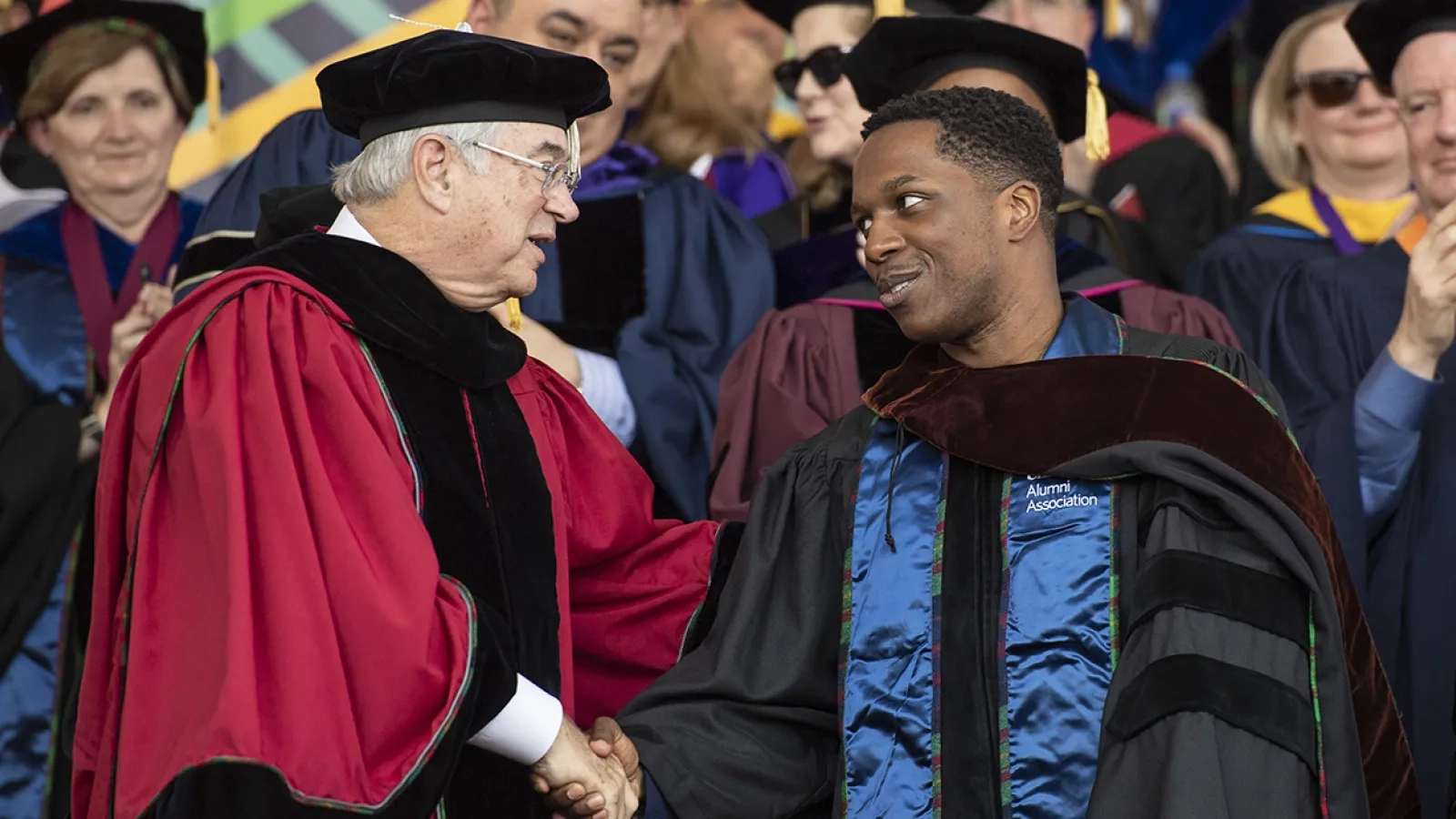
Former Board Chair Jim Rohr welcomes Leslie Odom Jr. (CFA:03) as 2019 Commencement Speaker.
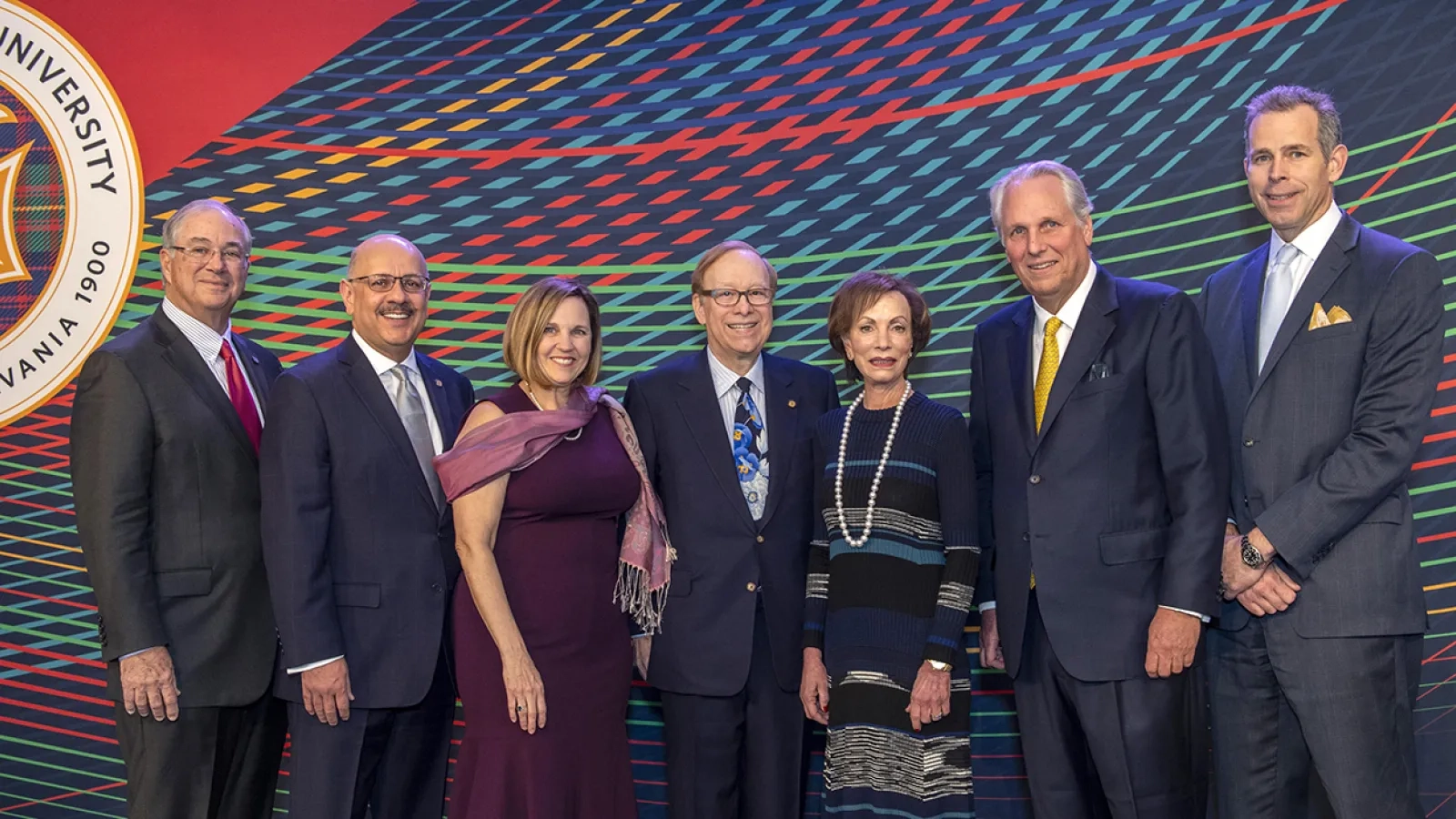
Trustee Tod Johnson (GSIA:66,67) and wife Cindy (CFA:68) (center) announce Johnson Family Scholarship Endowment at Presidential Inauguration.

Trustee Patti Askwith Kenner (MM:66) (right) greets 2019 Honorary Degree Recipient Darlene Clark Hine (center)

Trustee Larry Jennings (MCS:84, GSIA:87) (right) supports Excellence in Theatre Education Award, presented by CMU, at the Tony Awards.
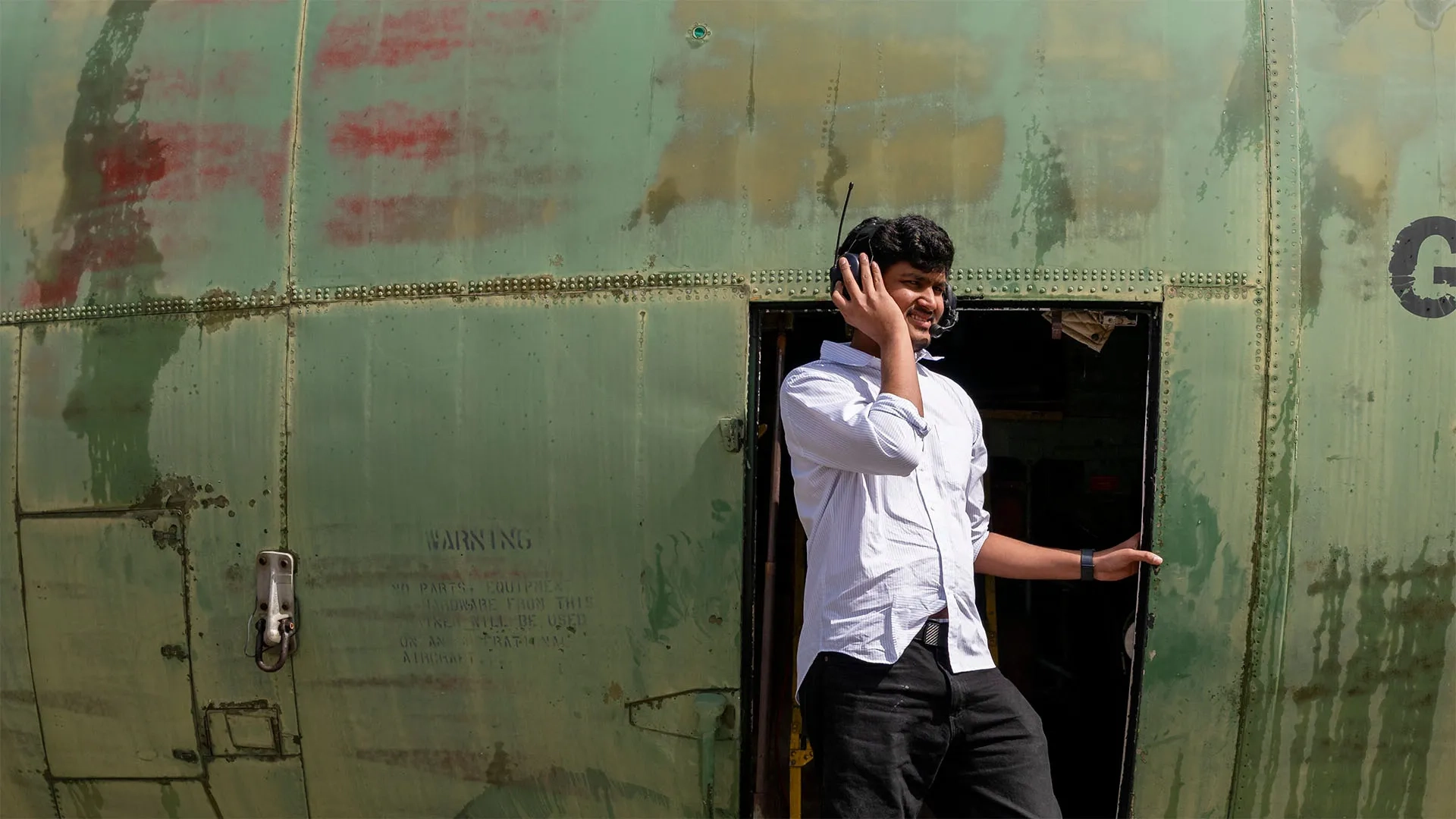
Innovation in Service of Humanity
Innovating for a Better World
At Carnegie Mellon, the pursuit of knowledge goes hand in hand with a deep commitment to serving the greater good. CMU's faculty, students, staff and alumni are driving societal change through world-class research, inclusive educational opportunities and hands-on partnerships that address real-world challenges at the local, national and global levels.
Researching Solutions to Grand Challenges
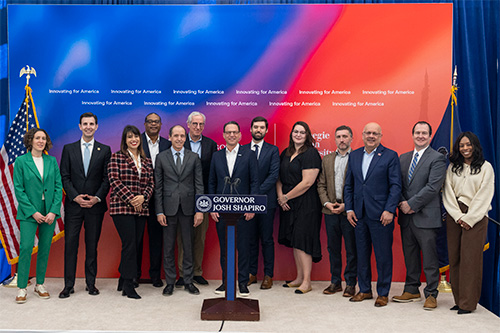
Carnegie Mellon is committed to ensuring that technology enhances society, humanity and our planet. We continually advance knowledge that illuminates technology's impact on the environment, the economy, as well as citizens and communities. At a time when CMU’s strengths in emerging technologies and cutting-edge science are aligned with the needs of society, we are building a better environment for curiosity-driven discovery and continuing to make significant contributions to economic growth and quality of life in Pittsburgh, Southwestern Pennsylvania and beyond.
CMU has more than 100 research centers and institutes, which address a broad range of interests, industries and solutions to real-world problems. For example: The AI Institute for Societal Decision Making leverages AI to improve decisions across public policy, health care and humanitarian response.
Civic Engagement in Action
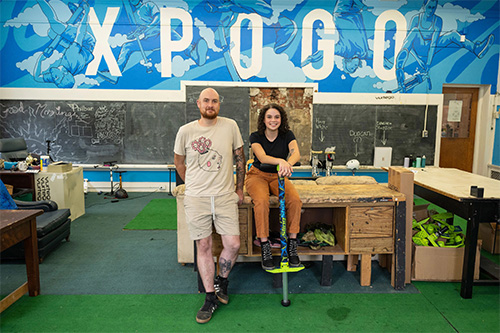
Civic engagement is an essential part of a Carnegie Mellon education, from orientation through commencement. The Office of Community Engagement and Leadership Development organizes and supports long-standing programs and opportunities for students to contribute to the greater Pittsburgh community.
The Office of Student Involvement and Traditions provides resources and support to the 400+ student-run organizations recognized by Student Government and the more than 20 sororities and fraternities active on Carnegie Mellon's campus. Student organization leaders and members work together to create and engage in meaningful and enriching experiences through their organizations and events. They contribute to the CMU community and beyond through their missions and goals, creating the rich and diverse fabric of student engagement and involvement at CMU.
Removing Barriers, Inspiring Innovators
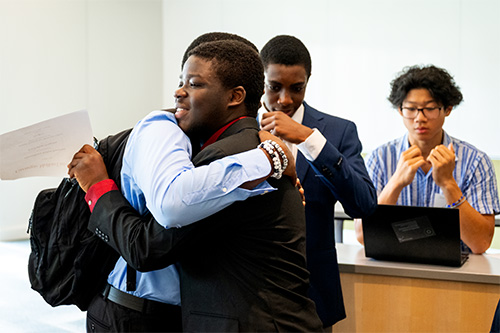
Mirroring the undergraduate experience, CMU's Pre-College Programs offer immersive summer programs for high school students in disciplines ranging from computer science and computational biology to drama and design. These programs attract students from across the nation and foster a pipeline of talent prepared to take on tomorrow's societal challenges. Computer Science Scholars, AI Scholars, and the Summer Academy for Math and Science — all Pre-College Programs — are fully funded, multi week and residency-based initiatives dedicated to bolstering access to STEM education.
Launched in the 2025-2026 academic year, the CMU Pathway Program seeks to make a Carnegie Mellon education accessible and affordable for deserving, high-achieving students. Under the program, students from families earning $75,000 or less annually will attend CMU tuition-free, and, for students from families earning $100,000 or less annually, the university will meet 100% of their demonstrated financial need, which will enable participating students to attend CMU without needing to utilize federal loans.
Commitment to a Better Future

In 2019, Carnegie Mellon committed to incorporating the Sustainable Development Goals , also known as the Global Goals, into education, research and practice. A year later, CMU became the first university in the world to publish a Voluntary University Review of the Global Goals, sending a strong signal that universities are also critical partners in achieving the 17 ambitious goals by 2030. Situated within University Libraries, CMU’s Sustainability Initiative continues to publish voluntary university reviews of the goals. The initiative also aids faculty and staff in showcasing their sustainability achievements and activities and hosts a Sustainability Studio to help members of the university community connect, discuss and collaborate across disciplines and in service of the Global Goals.
Whether it's pioneering air quality monitoring technology, designing robots for social good or educating the next generation of changemakers, we don’t just talk about change — we engineer it. Through a holistic approach to research, education and outreach, CMU is proud to lead in advancing societal impact one discovery and relationship at a time.
Get Involved
Volunteer or partner with us to help create lasting economic and community impact in the region.