
History

Founder Spotlight
A self-educated "working boy," Andrew Carnegie emigrated from Scotland in 1848 and settled in Pittsburgh, Pa. Attending night school and borrowing books, Carnegie went from factory worker in a textile mill to successful entrepreneur and industrialist. He rose to prominence by founding what became the world's largest steel producing company by the end of the 19th century.
"My heart is in the work," he stated, which would become part of the school's official motto.
At one point the richest man in the world, Carnegie once said, "To die rich is to die disgraced." He turned his attention to writing, social activism and philanthropy, determined to establish educational opportunities for the general public where few existed.
CMU's Origin
1900: Initial Funding for Carnegie Technical Schools
In 1900, Andrew Carnegie donated $1 million to the city of Pittsburgh, envisioning a school where working-class men and women of Pittsburgh could learn practical skills, trades and crafts that would enhance their careers, lives and communities.
The Carnegie Technical Schools offered two- and three-year certificates in the arts as well as in engineering disciplines and included a college for women, Margaret Morrison Carnegie College.

Initial number of students
The first Carnegie Technical Schools class was admitted in 1906.
Degrees Introduced
1912: Carnegie Tech Grants Bachelor's Degrees
Soon faced with the demand for baccalaureate programs, Carnegie Technical Schools changed its name to the Carnegie Institute of Technology, or "Carnegie Tech", and began offering bachelor's degrees through its College of Engineering and College of Fine Arts.
Carnegie Tech set the groundwork for a research institution, recruiting leading scientists, offering sponsored fellowships with government and industry leaders and pioneering nontraditional interdisciplinary research, which brought together physicists, chemists and metallurgists, for example. Interdisciplinary research would become the hallmark of Carnegie Mellon research. In 1919, the first doctorate (in civil engineering) was awarded to Mao Yisheng, a student from China.

First U.S. Drama Class
actors
The first U.S. drama degree was awarded in 1914 at Carnegie Tech.
Investment in Expansion
Early 20th Century Progress
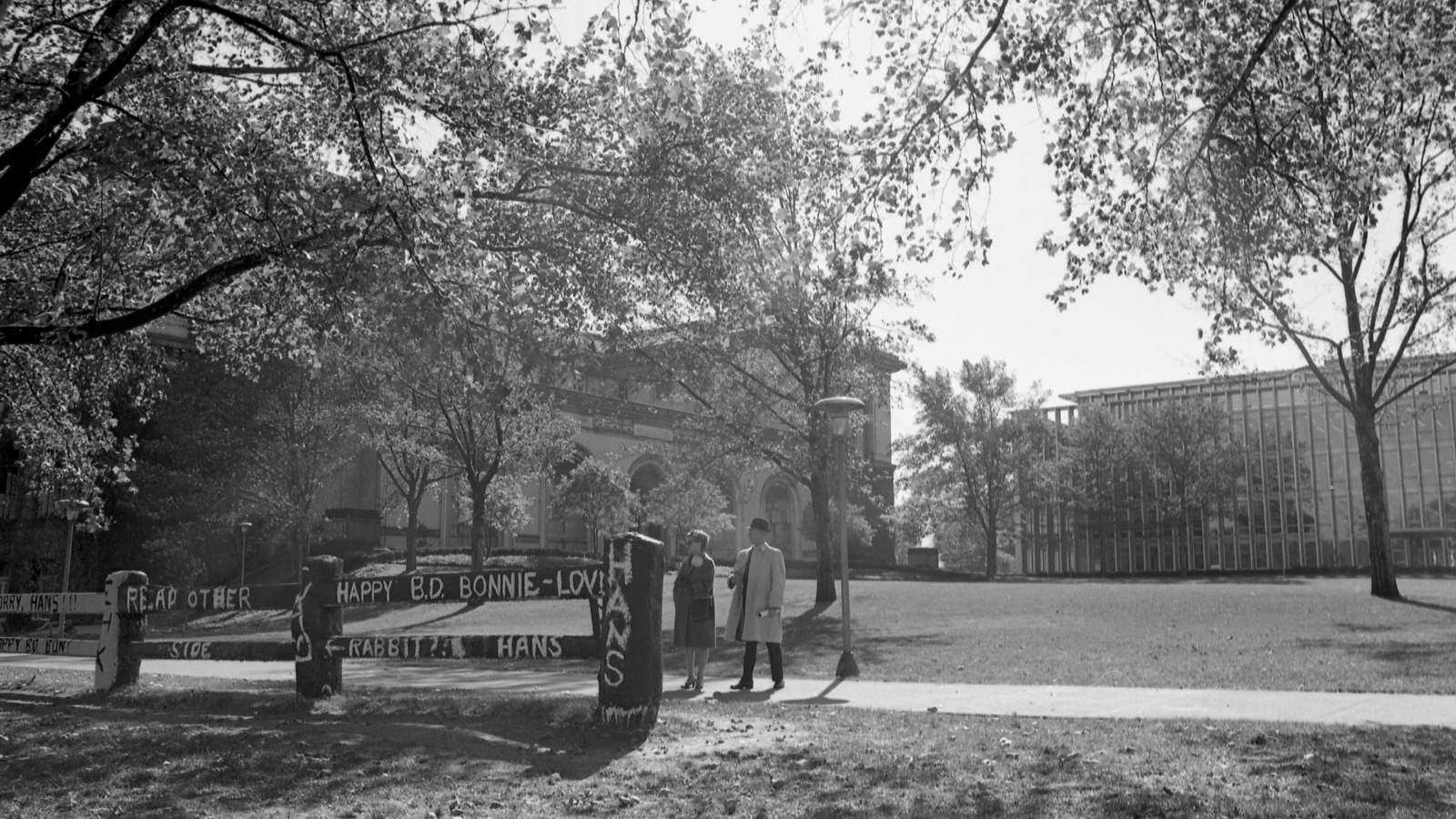
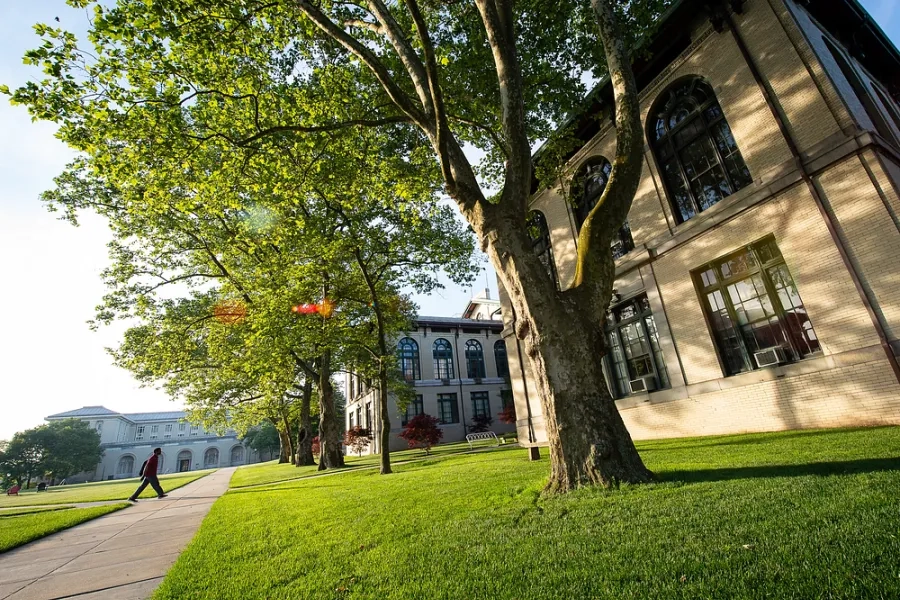
During the first half of the 20th century, with support from Andrew Carnegie and other funders, Carnegie Tech laid the foundation for a school on the cutting edge. It expanded from two buildings into an elegant 20th-century campus designed in the Beaux Arts architectural style, housing a wealth of machine shops, studios and laboratories — the hands-on center of learning that persists today.
Carnegie died in 1919, but his vision for an educated public lived on after him.

Humanities Requirement
% of curriculum
With the goal of understanding societal needs, the Carnegie Plan began in 1938. Science and engineering students were now required to take humanities and social sciences courses.
Post-war Growth: Opening Three New Schools
With the end of World War II, the latter half of the 20th century brought unprecedented growth to Carnegie Tech. In 1956, the arrival of the first IBM computer to campus was revolutionary, initiating a university culture where information technology pervaded virtually all areas of study.
University culture also changed in 1973, when Margaret Morrison closed and women joined their male peers in classrooms and dorms.
1948
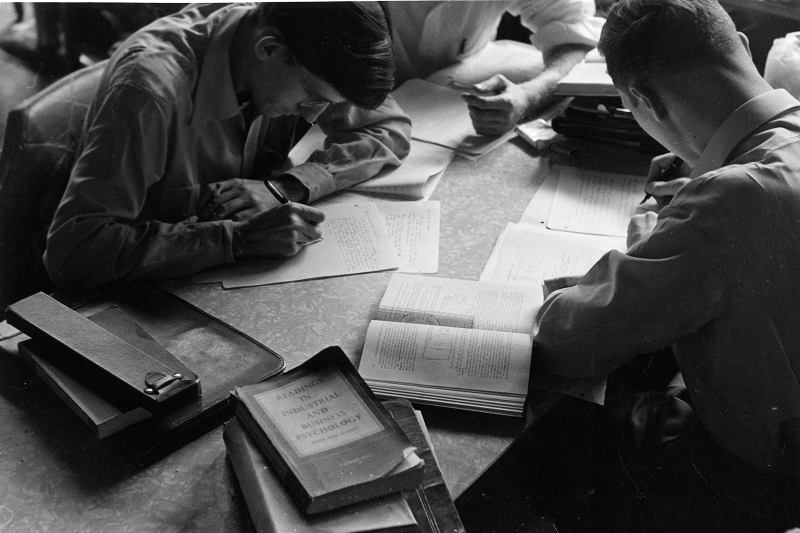
The Graduate School of Industrial Administration, later renamed the David A. Tepper School of Business, focused on quantitative analysis and pioneering the field of management science.
1968
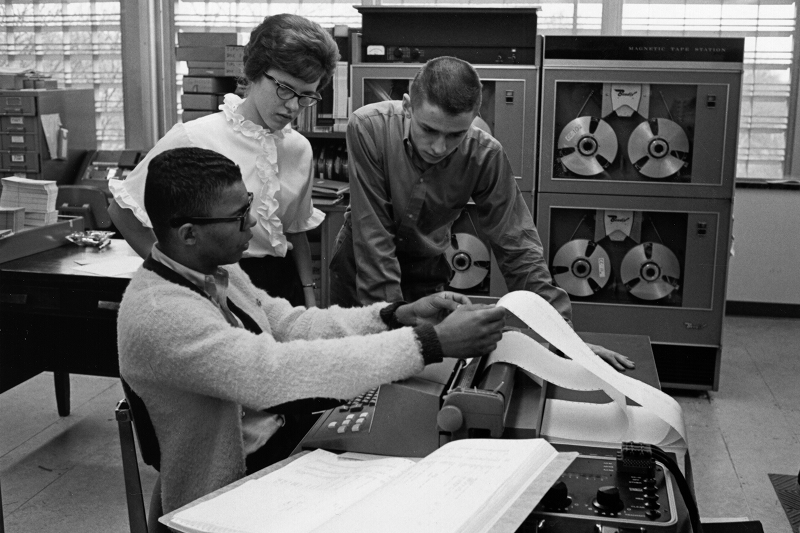
The School of Urban and Public Affairs, later renamed the H. John Heinz III College, provided graduate training for work in the public sector.
1986

The School of Computer Science pioneered computing and artificial intelligence, led by interdisciplinary efforts of Allen Newell and Herbert Simon.
1967 - Present
The CMU of Today
In 1967, Carnegie Tech merged with the Mellon Institute, a science research center founded by the Mellon family of Pittsburgh, to become known as Carnegie Mellon University.
This support from the Mellons allowed Carnegie Mellon to establish the last of its current pillars: the Mellon College of Science and the College of Humanities and Social Sciences, now known as the Marianna Brown Dietrich College of Humanities and Social Sciences.
In 2017, Carnegie Mellon celebrated the 50th anniversary of the Carnegie Tech–Mellon Institute merger, revisiting the shared vision of the founders and recognizing the impact it has had, and will continue to have, in the world of higher education, research and discovery.
2025 Student Count
CMU's Global Leadership
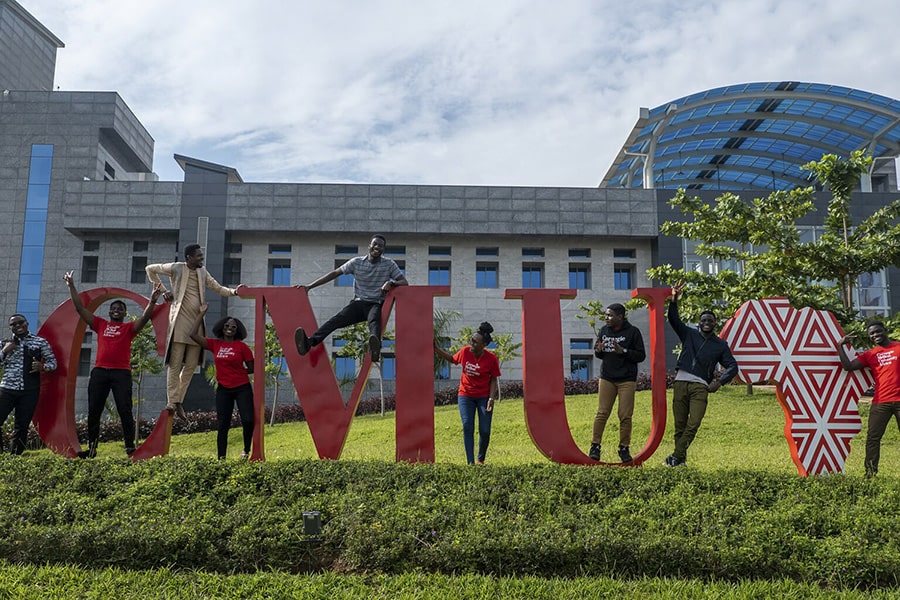
In its 115 years, Carnegie Mellon has soared to national and international leadership in higher education and research. A birthplace of innovation since its founding, it continues to be known for innovation, for solving real-world problems and for interdisciplinary collaboration. Its alumni can be found across the globe — from Tony Award winners to Nobel Prize and Turing Award winners, from CEOs to entrepreneurs, from professors to artists.
In the 2000s, in response to demand for expanded international educational opportunities, Carnegie Mellon began offering degree programs outside of Pittsburgh.
Today its global presence includes campuses in Qatar and Silicon Valley, Calif., more than a dozen degree-granting locations, and more than 20 research partnerships in cities and countries such as Los Angeles, New York City, Washington, D.C., China, Portugal and Rwanda.
2002
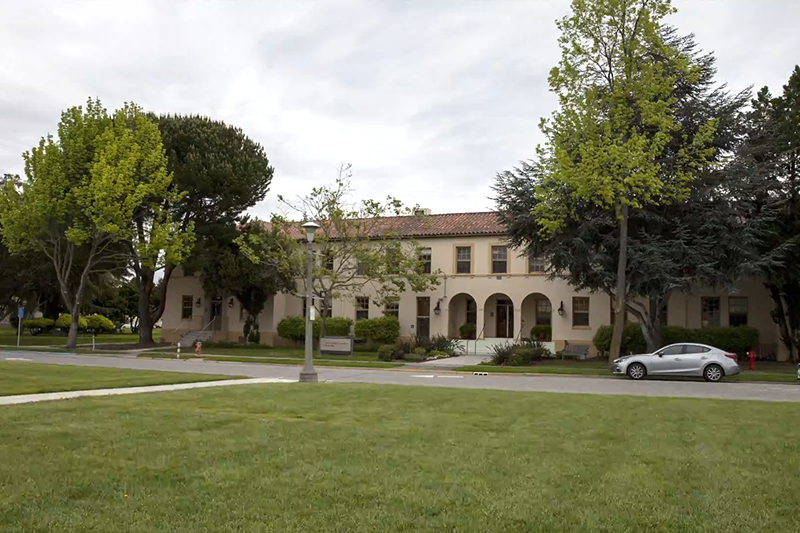
Carnegie Mellon established a branch campus in Silicon Valley, the epicenter of the modern technological revolution.
2004
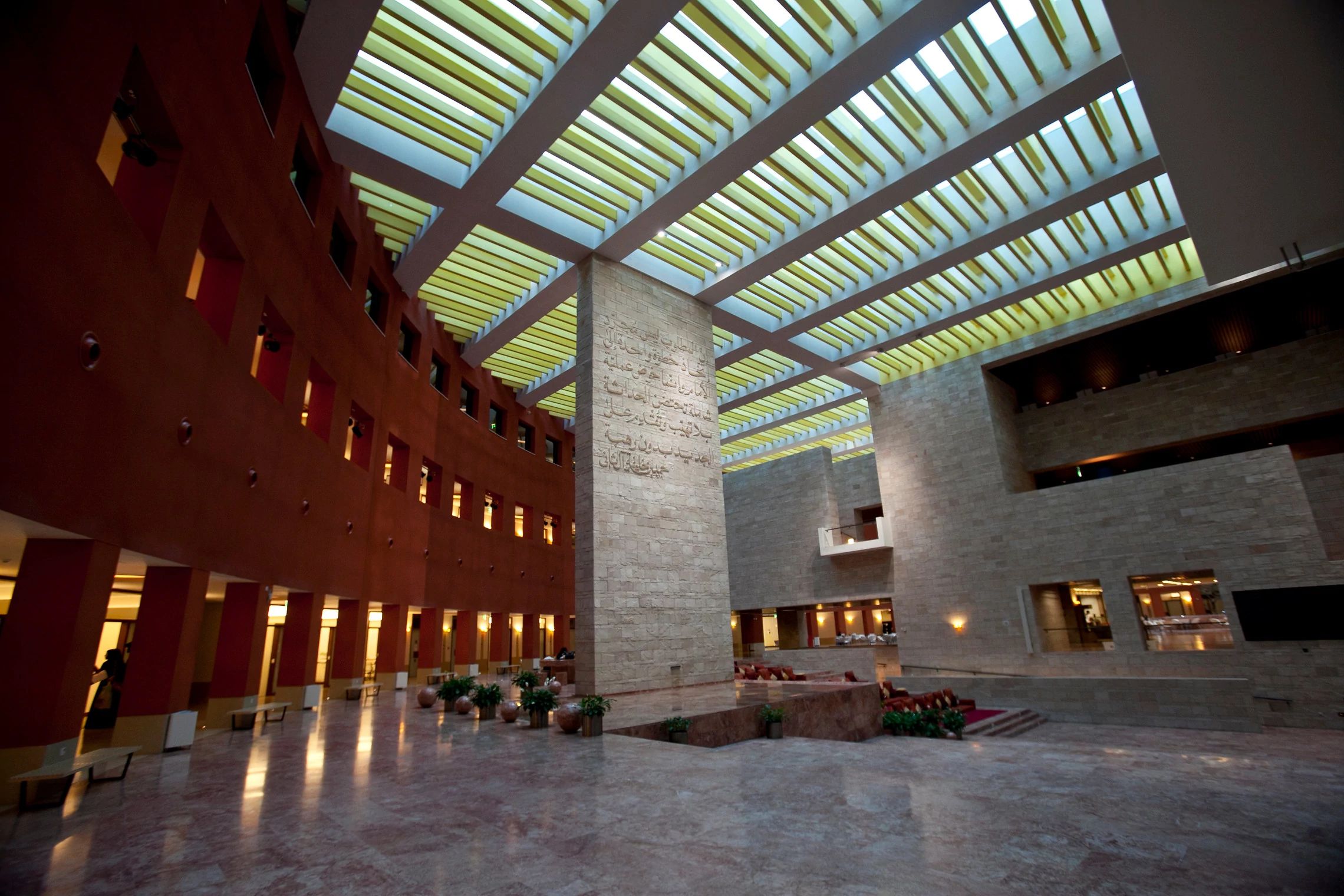
Carnegie University in Qatar (CMU-Q) opened its doors with 41 students, offering programs in Business Administration and Computer Science.
2011
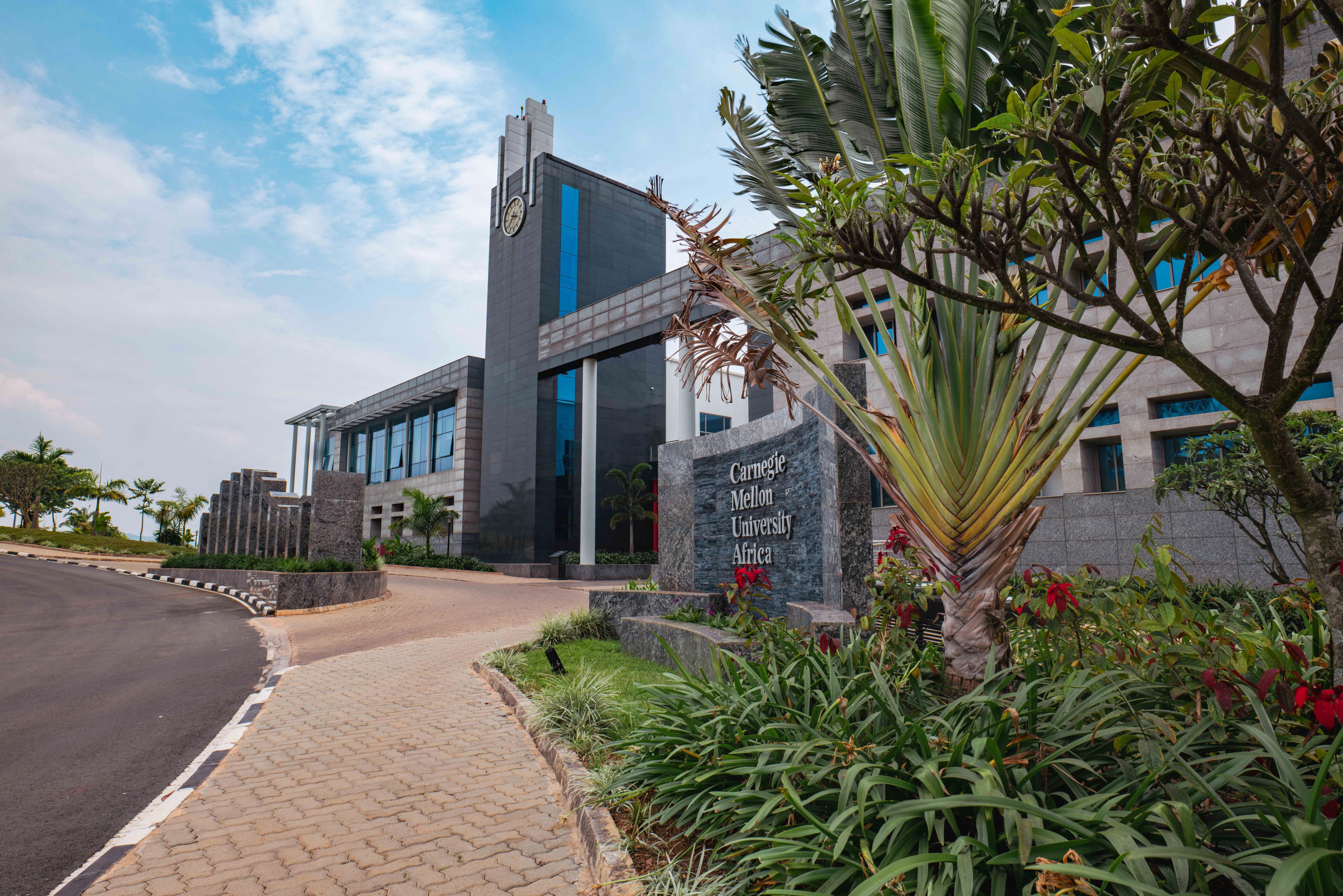
Carnegie Mellon University and the Government of Rwanda signed an agreement to establish CMU-Africa. This partnership was designed to respond to the critical shortage of high-quality engineering talent required to harness Africa's tremendous potential as home to the fastest-growing workforce in the world.

Expanding into the Future
CMU is positioned like never before to meet the challenges of the 21st century. In the coming years, the university will see the largest expansion to the Pittsburgh campus since 1900.
At the intersection of technology and humanity, CMU will focus on advancing the individual student experience, the broader Carnegie Mellon community experience, and the social impact of Carnegie Mellon throughout the world.